TL;DR: Federal Public Assistance is approved for 19 Texas counties hit by July 12, 2026-and-continuing storms, winds, tornadoes and flooding, while household-level Individual Assistance for 30 counties remains pending.
Federal disaster assistance is now available to Texas to supplement recovery from severe storms, straight-line winds, tornadoes and flooding that began July 12, 2026, and continued, according to FEMA. Texas Gov. Greg Abbott announced that President Donald J. Trump approved the Major Disaster Declaration, opening the Federal Emergency Management Agency's Public Assistance program in 19 counties for emergency work and repair or replacement of damaged public facilities. The announcement was issued Sept. 3, 2026, in Austin, Texas, as a press release from the Office of the Texas Governor, and FEMA issued its own release the same day as HQ-26-131.
The approval covers local and related public recovery costs, not direct aid to households. Public Assistance funding is available to the state, tribal and eligible local governments and certain private nonprofit organizations on a cost-sharing basis, according to FEMA. For households, the Governor's request for FEMA Individual Assistance for 30 affected counties remains pending, according to the Office of the Texas Governor. That pending status is the central household-readiness distinction for residents checking what help is open now and what is still awaiting a federal decision.
Which 19 counties are approved for Public Assistance?
The 19 counties approved for FEMA Public Assistance are Bandera, Crockett, Dimmit, Edwards, Frio, Gillespie, Kendall, Kerr, Kimble, Kinney, La Salle, Mason, Maverick, Menard, Real, Sutton, Uvalde, Val Verde, and Zavala County, according to the Office of the Texas Governor. FEMA lists the same 19 counties for emergency work and repair and replacement of facilities damaged by the severe storms, straight-line winds, tornadoes and flooding.
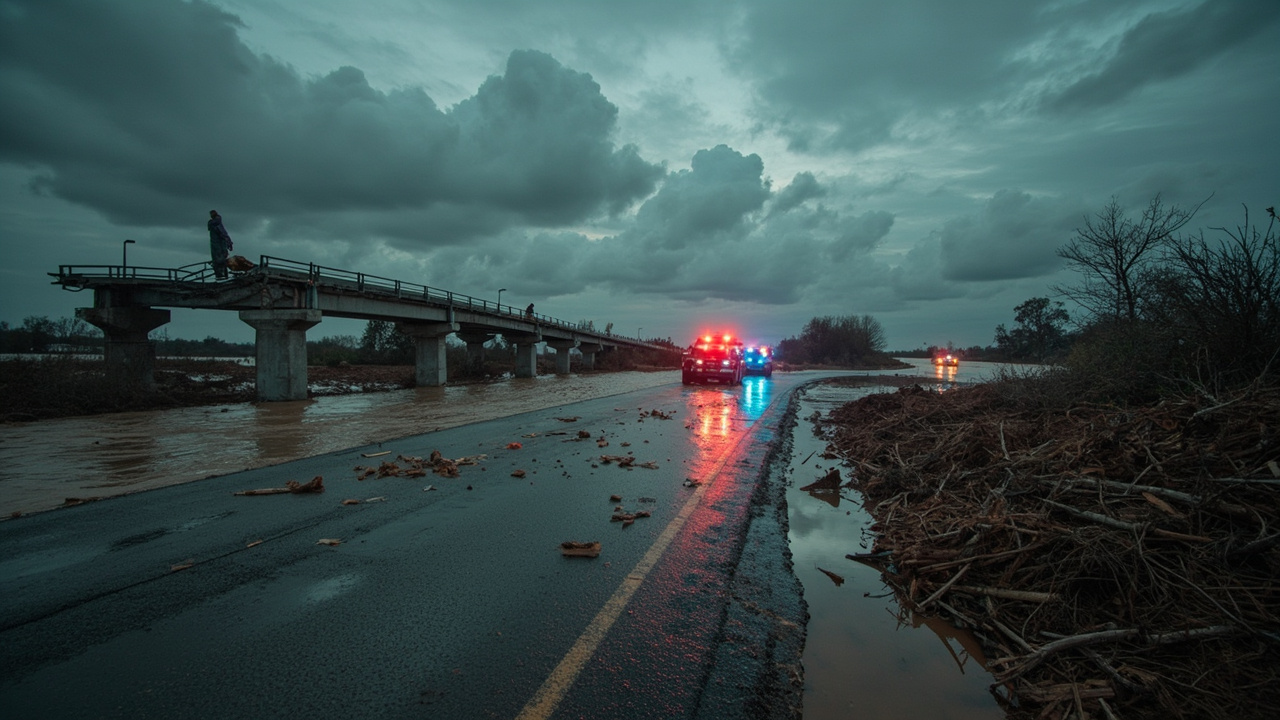
The counties are west, northwest and south of San Antonio and stretch to the border with Mexico, according to Texas Public Radio. The Guadalupe, Nueces and Frio rivers all reached flood stage during the July event, and some areas, including Cotulla, were under water for days, according to Texas Public Radio. Residents surveying debris and a collapsed bridge over Goat Creek in Kerrville after July flooding were described in that station's coverage, with Kerr County among the 19 counties approved.
FEMA said Roland W. Jackson has been named the Federal Coordinating Officer for federal recovery operations in the affected areas. FEMA also said additional designations may be made if requested by the state and warranted by the results of further damage assessments. That means the county list can change if Texas asks for more counties and assessments support the addition.
What Public Assistance pays for
FEMA approved its Public Assistance program, including assistance for emergency work and the repair or replacement of disaster-damaged facilities, according to the Office of the Texas Governor. FEMA describes the funding as available on a cost-sharing basis for emergency work and the repair and replacement of facilities damaged by the severe storms, straight-line winds, tornadoes and flooding in the 19 counties.
Eligible applicants are the state, tribal and eligible local governments and certain private nonprofit organizations, according to FEMA. Gov. Abbott said local officials will now have needed resources to recover and rebuild, and said Texas will deliver every available resource to affected communities, according to the Office of the Texas Governor. In the governor's statement, he said, “Federal public assistance is now available in 19 Texas counties damaged by the July storms and floods.”
For local leaders and public facility operators, the practical step is documentation and coordination through state and federal channels. In Uvalde County, commissioners postponed a countywide debris removal plan in July while waiting for state and federal guidance to ensure the county remained eligible for FEMA reimbursement, according to Texas Public Radio. Officials said failing to properly document debris removal and other expenses could leave local taxpayers responsible for the costs, according to Texas Public Radio.
What remains pending: 9 more counties and household aid
The Governor's request for Public Assistance for 9 additional counties remains pending, according to the Office of the Texas Governor. Those nine counties are Atascosa, Bexar, Blanco, Brewster, Comal, Medina, Schleicher, Terrell and Wilson, according to Texas Public Radio.
The Governor's request for FEMA's Individual Assistance program for 30 affected counties also remains pending, according to the Office of the Texas Governor. Additionally, a request from Texas to authorize additional FEMA Hazard Mitigation Grant Program resources statewide remains pending, according to the Office of the Texas Governor.
The pending Individual Assistance request matters for households because that program addresses disaster-caused personal needs. FEMA Individual Assistance funding assists with expenses such as temporary housing, emergency home repairs, uninsured and underinsured personal property losses, disaster legal services, disaster unemployment assistance, and medical, dental, and funeral expenses caused by the disaster, according to the Office of the Texas Governor. None of those household benefits were listed as approved for the July event in the Sept. 3 releases; they were described as requested and awaiting a decision.
How the dollar figures fit together
Gov. Abbott's initial estimate cited $489.7 million in costs from the July storms in his first ask for federal help to aid state and local governments for debris removal and restoring infrastructure such as roads, buildings and parks, according to The Texas Tribune. Before the Major Disaster Declaration, Trump had only approved limited federal emergency assistance so far for those floods, which is typically capped at $5 million, according to The Texas Tribune.
On Tuesday, Trump said in a Truth Social post that Texas would receive $50.5 million in disaster recovery assistance “from the severe storms, winds, tornadoes, and flooding that hit them hard,” according to The Texas Tribune. Trump did not specify which storms he meant in that post, which went up at 5:42 p.m. just hours after Tropical Storm Edouard made landfall near the Texas-Louisiana border and was pushing inland into southeast Texas, according to The Texas Tribune. FEMA did not respond to a request for comment in that report, while the agency issued a news release Thursday announcing the public assistance funding, which will also be available to the state government, according to The Texas Tribune.
Research by Andrew Rumbach, a senior fellow at the Urban Institute, has shown that major federal disaster funding decisions are taking roughly three times longer on average under the current administration than under previous administrations since 2000, when the typical wait was about three weeks, according to The Texas Tribune. In this case, the approval came nearly seven weeks after Abbott requested a presidential disaster declaration on July 17, according to Texas Public Radio. In a post on X Wednesday morning, Sen. Ted Cruz, R-Texas, thanked the president for the announced funds, according to The Texas Tribune.
Why Individual Assistance decisions depend on damage reports
Officials continue to review disaster damage information self-reported by Texans through the Texas Division of Emergency Management's Individual State of Texas Assessment Tool damage survey, according to the Office of the Texas Governor. Impacted Texans are encouraged to submit information about damage to homes or businesses caused by the July storms and flooding by visiting damage.tdem.texas.gov, according to the Office of the Texas Governor. The office said these details are vital to help officials identify impacted areas and connect Texans with resources.
Texas Public Radio also noted that Texans who sustained damage to a home or business are encouraged to report it through the iSTAT survey. For households, submitting a survey is not an application for FEMA aid, but state officials use the information to review damage and support requests for federal programs. Residents should keep their own records of damage, repairs, receipts and contacts with insurers and officials, because Individual Assistance, if approved, addresses categories including temporary housing, emergency home repairs and uninsured and underinsured personal property losses, according to the Office of the Texas Governor.
State actions already announced for July flooding
Gov. Abbott listed several state steps taken to support communities affected by the July severe storms and flooding, according to the Office of the Texas Governor. Those steps included announcing the extension of SNAP replacement benefits for Texans affected by flooding. Texas Public Radio also reported that Abbott said the state has extended SNAP replacement benefits for Texans affected by the flooding.
Other state actions listed included amending the state's disaster declaration to include additional impacted counties and providing an update in Cotulla on the state's emergency response in affected areas, according to the Office of the Texas Governor. The list also included providing an update in Uvalde on the state's flood response, according to the Office of the Texas Governor.
The governor also issued a state disaster declaration, increased the readiness level of the Texas State Emergency Operations Center to 24-hour operations at Level II Escalated Response and activated additional state emergency response resources as heavy rainfall and flash flooding threats continued, according to the Office of the Texas Governor. The Texas Division of Emergency Management version of the announcement added deploying state emergency response resources ahead of the severe weather and flash flooding threat.
What households in approved and pending counties should do now
Households in the 19 approved counties should understand that the current approval funds public emergency work and public facilities, not direct payments to residents. Households in the 30 counties awaiting an Individual Assistance decision should watch for a separate federal approval before expecting FEMA household aid. Both groups can submit home or business damage details through damage.tdem.texas.gov while officials review self-reported information, according to the Office of the Texas Governor.
Local governments waiting on the nine pending Public Assistance counties should track state guidance on documentation and eligibility. The Uvalde County example shows why local officials paused debris decisions until reimbursement rules were clear, according to Texas Public Radio. For residents, that means neighborhood debris pickup schedules and public-road repairs may move on different timelines than private home repairs.
Households should also separate the July disaster from later August storms in the same region. Abbott ordered a preliminary damage assessment for Bexar County following the Aug. 28 windstorm that caused widespread damage and power outages across San Antonio, according to Texas Public Radio. The U.S. Small Business Administration was to join state and local officials in conducting that assessment, which was to help determine whether the county qualifies for additional federal disaster assistance, according to Texas Public Radio.
Sources referenced
- Governor Abbott Announces Federal Disaster Declaration Approval for Summer Severe Weather and Flooding | Office of the Texas Governor (https://gov.texas.gov/news/post/governor-abbott-announces-federal-disaster-declaration-approval-for-summer-severe-weather-and-flooding)
- President Donald J. Trump Approves Major Disaster Declaration for Texas | FEMA.gov (https://www.fema.gov/press-release/20260903/president-donald-j-trump-approves-major-disaster-declaration-texas)