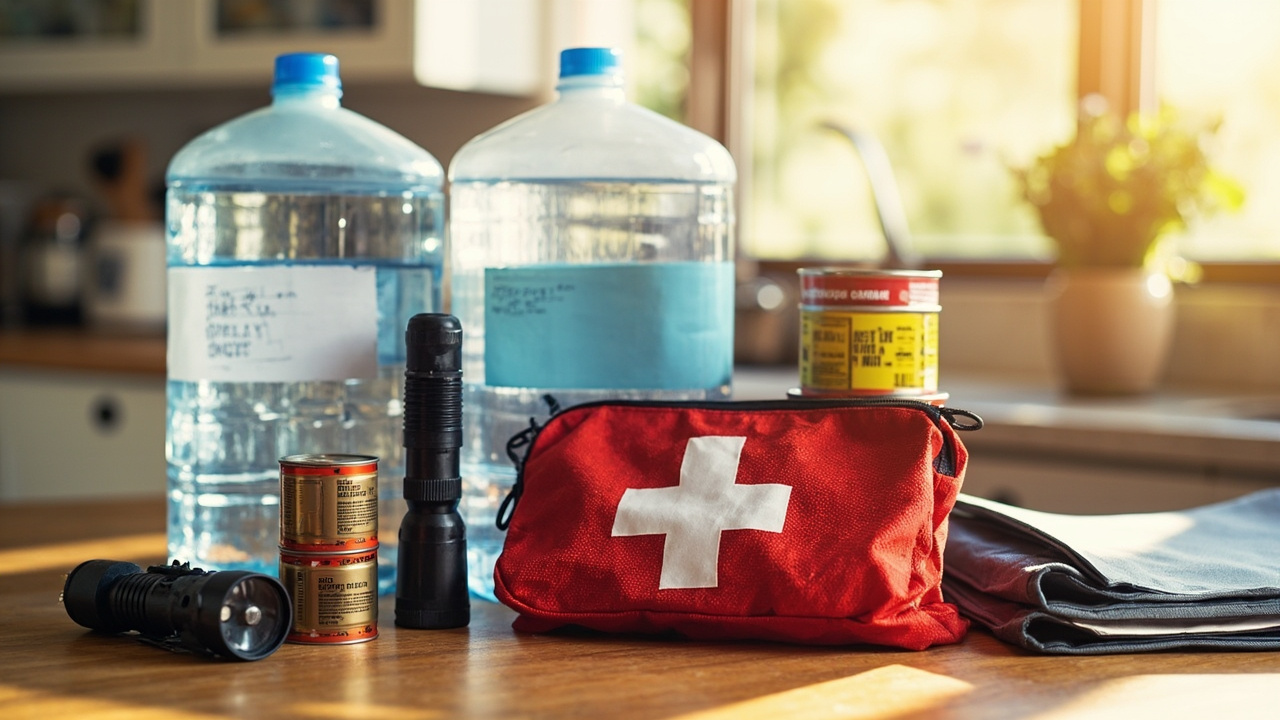
The Key Numbers Behind Household Emergency Resilience
The core preparedness numbers are days of water and food, minutes to evacuate, and twice-yearly kit checks, per Ready.gov and Red Cross guidance.
8 min read
Daily emergency preparedness household resilience intelligence
The core preparedness numbers are days of water and food, minutes to evacuate, and twice-yearly kit checks, per Ready.gov and Red Cross guidance.

Policy and building, utility, and alert rules shape what households can do before disaster. Here's how to align your plan with official guidance.

Household resilience depends on communication plans, emergency supplies, local risk knowledge, and regular practice guided by federal preparedness resources.

Household readiness is operational readiness: prepared homes keep workers safe, staffing stable, and neighborhoods able to absorb the first hours of disruption.
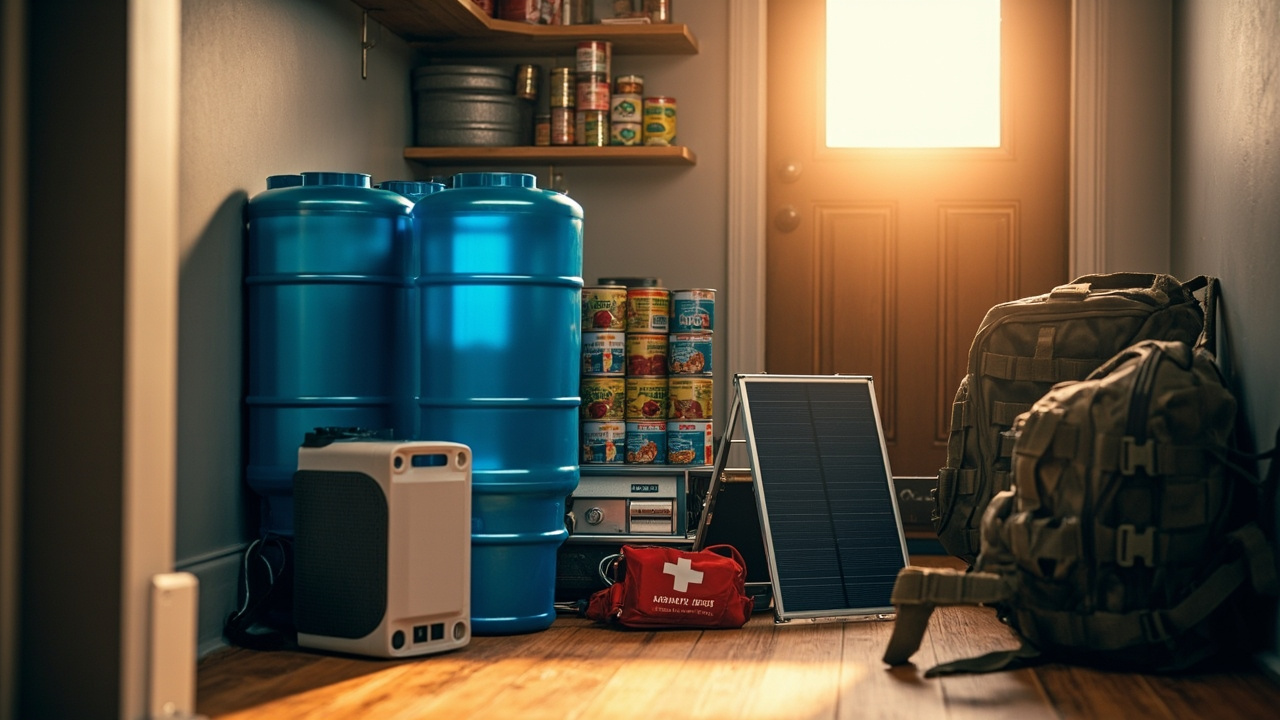
Know which household resilience companies and local projects help with water, food, power, alerts, health, and evacuation, grounded in Ready.gov and Red Cross guidance.
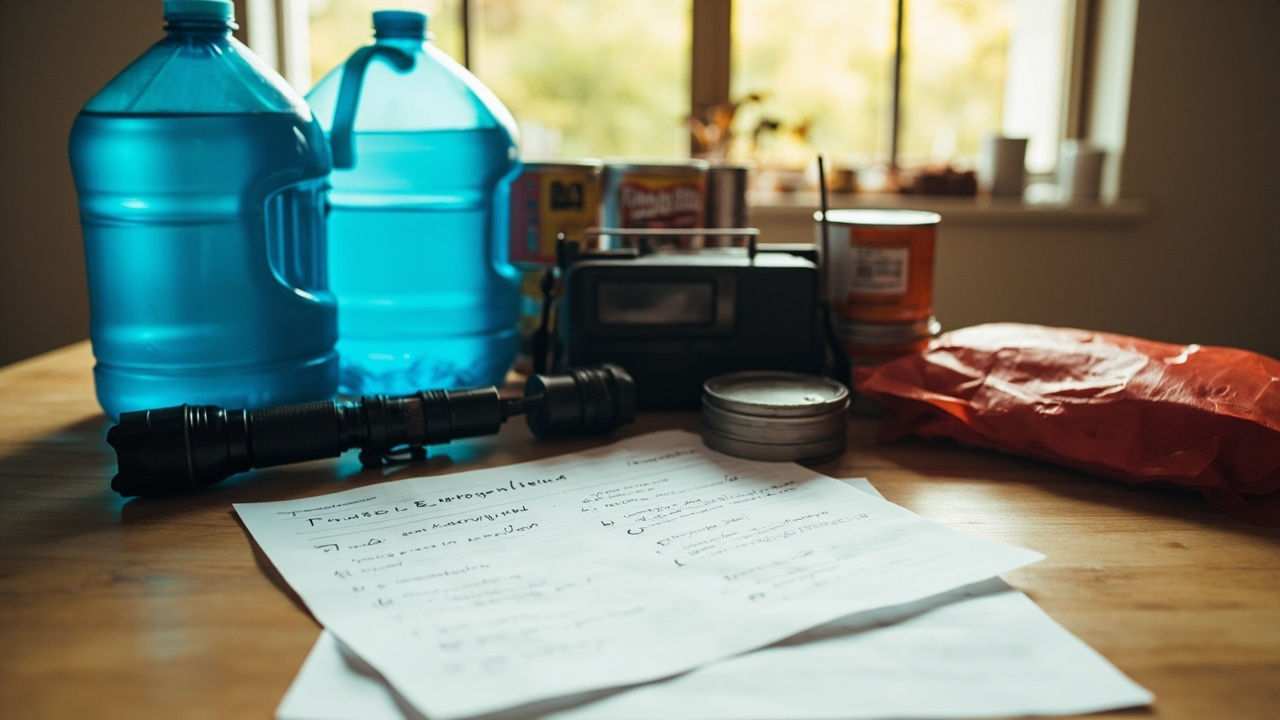
Skeptics are right to demand simple, affordable readiness, and wrong to dismiss basic water, food, light, and planning steps at home.

The most useful preparedness tools are a written plan, a stocked kit, go bags, protected documents, and official checklists that keep a household ready to act.

Households shift toward planning together, reviewing supplies on hand, and practicing outage communication for National Preparedness Month.