TL;DR: Households are shifting toward practical, maintainable readiness built around stored water, stored food, backup power, family communication, and regular kit maintenance.
Households across the United States are rethinking readiness around simple systems that can be maintained year after year, according to the Federal Emergency Management Agency's Ready.gov guide and American Red Cross preparedness guidance. The focus is less on single purchases and more on water storage, food rotation, lighting and power backup, first aid skills, family communication plans, evacuation bags, document protection, pet needs, and neighborhood cooperation.
This shift reflects guidance from Ready.gov and American Red Cross preparedness guidance. Both organizations emphasize building a kit, making a plan, and practicing that plan at home. The trends below follow that same structure and show how families are applying it in everyday houses and apartments.
1. Water storage moves to the center of the kit
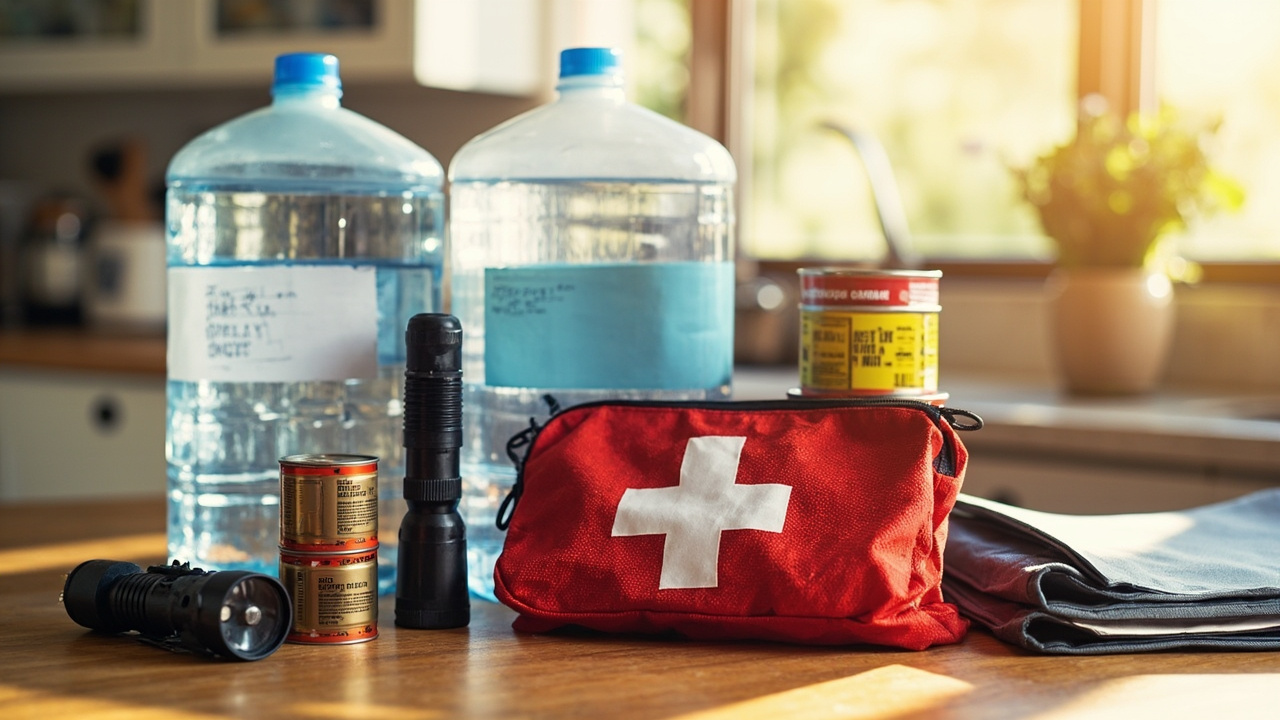
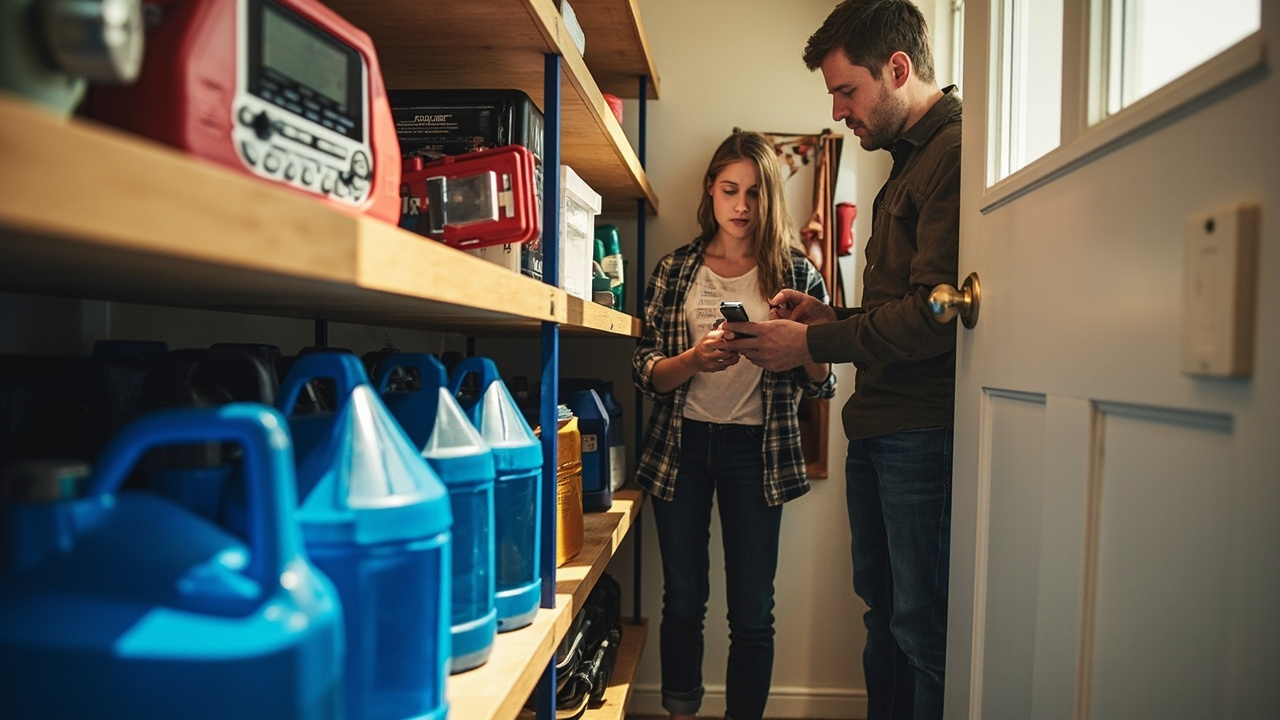
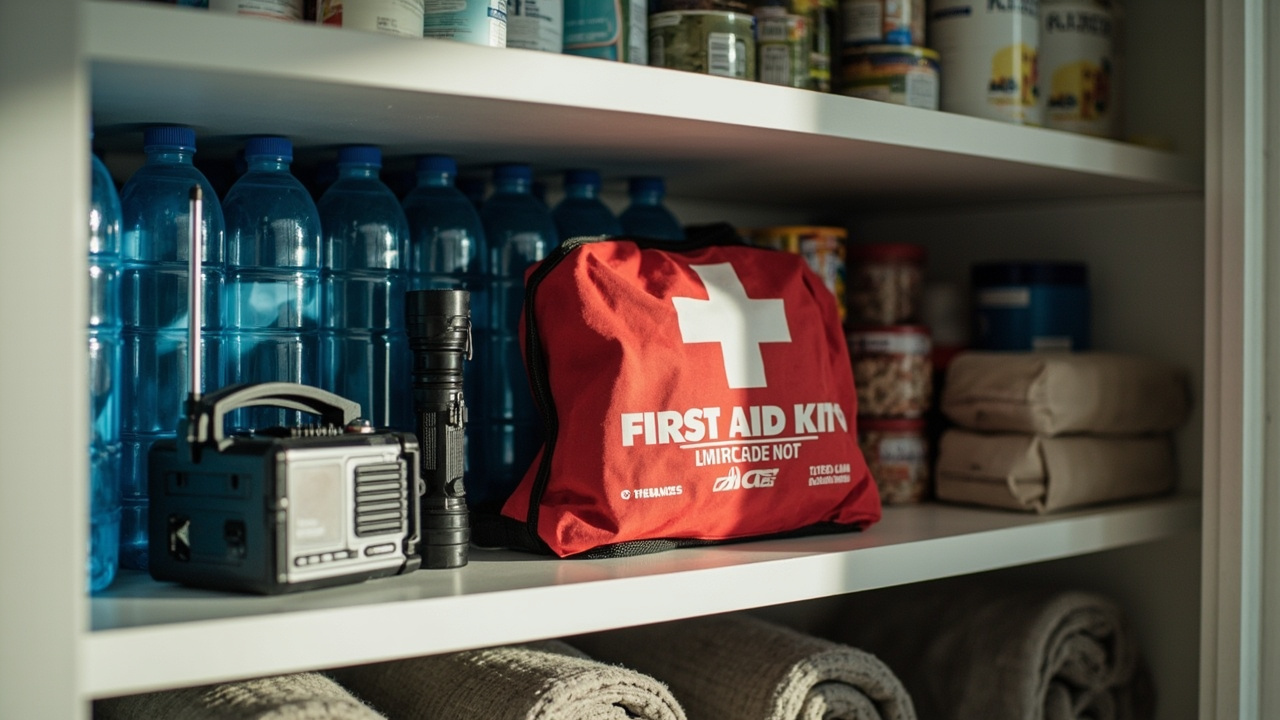
Water storage is becoming the first step in many household plans. Families are setting aside packaged water in a cool location and checking containers for leaks and damage. They are keeping drinking water separate from cleaning water where possible. They are labeling containers with storage dates for easier rotation.
According to the Federal Emergency Management Agency's Ready.gov guide, water is a core part of an emergency supply kit. Households are following that advice by keeping water accessible without blocking hallways or exits. They are storing water where it can be carried out quickly during an evacuation. They are teaching every adult in the home where water is kept.
The trend also includes water for hygiene. Households are keeping soap, wipes, and hand sanitizer with water supplies. They are keeping buckets, basins, and cleaning cloths nearby for washing. They are reviewing how to keep stored water clean and covered.
2. Food systems built around rotation
Households are building food supplies around foods they already eat. They are choosing canned goods, dry grains, peanut butter, crackers, and shelf-stable meals. They are checking expiration dates and moving older items into weekly meals. They are replacing what they use so the supply stays full.
American Red Cross preparedness guidance encourages keeping an emergency supply of food at home. Families are applying that idea by keeping a pantry list on paper. They are noting dietary needs, allergies, and infant feeding needs on that list. They are keeping a manual can opener with canned food.
Cooking without power is part of the plan. Households are keeping camp stoves, grills, or other outdoor cooking tools ready for use outside only. They are storing fuel safely and away from living areas. They are reviewing safe handling steps before an outage happens.
3. Power outage readiness becomes everyday readiness
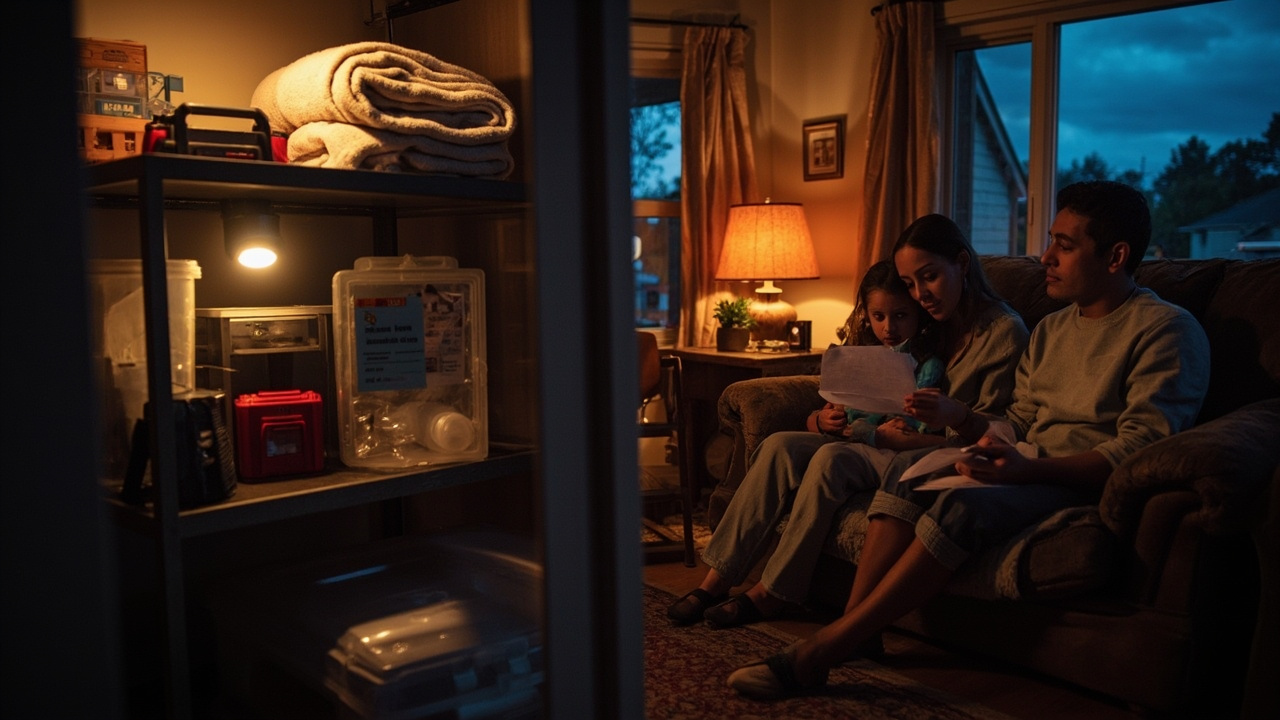
Backup lighting is now treated as a household staple. Families are keeping flashlights, lanterns, and headlamps in known spots. They are storing extra batteries with lights rather than in distant drawers. They are testing lights on a regular schedule.
Power banks for phones are part of the same trend. Households are keeping charged power banks near emergency contacts lists. They are keeping car chargers and charging cables together. They are keeping a battery-powered or hand-crank radio for alerts and instructions.
According to the Federal Emergency Management Agency's Ready.gov guide, emergency kits should support communication and information during outages. Homes are responding by keeping radios with spare batteries. They are practicing how to find local alert stations. They are keeping instructions for devices in the same bag as the devices.
4. Family communication plans on paper
Written communication plans are replacing phone-only plans. Households are writing down meeting places inside and outside the neighborhood. They are writing down out-of-area contacts who can relay messages. They are keeping copies in wallets, backpacks, and vehicles.
American Red Cross preparedness guidance highlights the value of planning how household members will reconnect. Families are choosing a familiar landmark as a meeting point. They are choosing a second meeting point farther away. They are practicing routes to both places on foot and by car where possible.
Contact cards for children are spreading. Parents are placing cards with phone numbers and addresses in school bags. They are reviewing how children can call for help. They are identifying trusted neighbors who can assist if parents cannot be reached.
5. First aid skills and home health supplies
First aid kits are getting more attention and more use. Households are keeping bandages, gauze, antiseptic wipes, gloves, tweezers, scissors, and thermometers together. They are checking kits for expired ointments and medications. They are restocking after every use.
Training is the larger trend. Adults are taking basic first aid and CPR courses in their communities. They are reviewing how to stop bleeding, treat burns, and respond to choking. They are keeping instruction cards inside the kit for quick reference.
Prescription needs are part of the plan. Households are keeping medication lists with names and dosages. They are talking with pharmacists and clinicians about backup supplies where appropriate. They are storing medications according to label directions and keeping them accessible during evacuation.
6. Go-bags designed for fast evacuation
Go-bags packed for every household member are becoming standard. Bags include water, snacks, change of clothes, sturdy shoes, blanket, flashlight, batteries, phone charger, hygiene items, medication list, and copies of key documents. Each bag is sized so the person carrying it can manage it safely.
According to the Federal Emergency Management Agency's Ready.gov guide, evacuation supplies should be ready to grab quickly. Households are keeping bags near an exit rather than in deep storage. They are keeping walking shoes with the bags. They are keeping leashes, carriers, and pet food with family bags where pets live in the home.
Seasonal checks keep bags useful. Families are swapping in warm layers during cold months. They are swapping in sun protection and insect repellent during warm months. They are checking fit for growing children and updating clothing sizes.
7. Document protection and financial readiness
Protection of records is a growing priority. Households are gathering identification, insurance policies, medical records, bank information, and home inventories. They are storing paper copies in waterproof bags. They are storing password-protected digital copies in secure locations.
American Red Cross preparedness guidance encourages safeguarding important documents. Families are photographing rooms and valuables for insurance purposes. They are keeping receipts for major purchases with insurance files. They are keeping emergency cash in small bills with documents for situations where cards cannot be used.
Insurance review is part of the same habit. Households are reading policies to understand coverage and exclusions. They are asking agents about flood, wind, and fire coverage. They are updating home inventories after major purchases.
8. Shelter-in-place comfort and safety
Longer shelter-in-place stays are shaping supply choices. Households are keeping blankets, sleeping bags, warm layers, and rain gear accessible. They are keeping plastic sheeting, tarps, and tape for temporary protection. They are keeping tools for turning off utilities when officials advise it.
Indoor air and sanitation matter during extended stays. Families are keeping trash bags, buckets with lids, disinfectant, and paper goods together. They are keeping masks and gloves with cleaning supplies. They are reviewing how to keep living areas clean when services pause.
Safety checks round out the trend. Households are testing smoke alarms and carbon monoxide alarms. They are keeping fire extinguishers accessible and learning how to use them. They are keeping utility shutoff instructions where adults can find them fast.
9. Pet and service animal readiness
Pet readiness is now built into family plans. Households are packing pet food, water, bowls, leashes, carriers, waste bags, medications, and vaccination records. They are keeping a familiar blanket or toy to reduce stress. They are keeping recent photos for identification if pets become lost.
According to American Red Cross preparedness guidance, pets need their own emergency supplies. Owners are planning where pets will stay during evacuation. They are identifying pet-friendly lodging and shelters in advance. They are practicing loading carriers and securing leashes quickly.
Service animals receive added planning. Handlers are packing food, water, medication, and waste supplies for service animals. They are keeping harness, identification, and health records together. They are planning rest and relief needs along evacuation routes.
10. Neighborhood networks and skills sharing
Neighborhood cooperation is one of the strongest trends. Households are exchanging contact information with nearby neighbors. They are noting who may need extra help during outages or evacuations. They are agreeing on how to check on each other when phones fail.
Skills sharing supports the whole block. Neighbors are sharing knowledge of first aid, cooking, childcare, and basic repairs. They are sharing tools such as ladders, saws, and generators with clear safety rules. They are organizing practice drills for evacuation and shelter steps.
Community resources complete the picture. Households are learning where community shelters, food programs, and clinics operate. They are following local emergency management offices for alerts and instructions. They are volunteering with local response groups to build experience before help is needed.
How to apply these trends this week
Start with water, food, light, and paper. Place water and food where they can be checked and rotated. Place lights, batteries, radios, and chargers where they can be found in the dark. Place communication plans and document copies where every adult can reach them.
Then practice the plan. Walk evacuation routes with all household members. Test radios, flashlights, and alarms. Review meeting places and out-of-area contacts. Update go-bags, medication lists, and pet supplies.
Guidance from Ready.gov and American Red Cross preparedness guidance points to the same outcome. Small steps repeated through the year build a home that can handle outages, storms, and evacuations with less stress and faster recovery.