TL;DR: Household resilience comes down to storing enough water and food for several days, keeping lights, power, first aid and documents ready, and practicing a written family plan.
Household resilience is measured in days of water, days of food, and minutes to leave, according to Ready.gov. The newest verified guidance from federal planners continues to center on a written family emergency plan, a packed emergency kit, and regular practice at home, according to Ready.gov. Families that complete those three steps can shelter in place or evacuate with less confusion and fewer supply gaps.
This guide translates that federal and nonprofit guidance into the key numbers households use to plan, according to the American Red Cross. Use the sections below to check water, food, light and power, health and safety, documents and money, and evacuation timing.
Build a written plan first
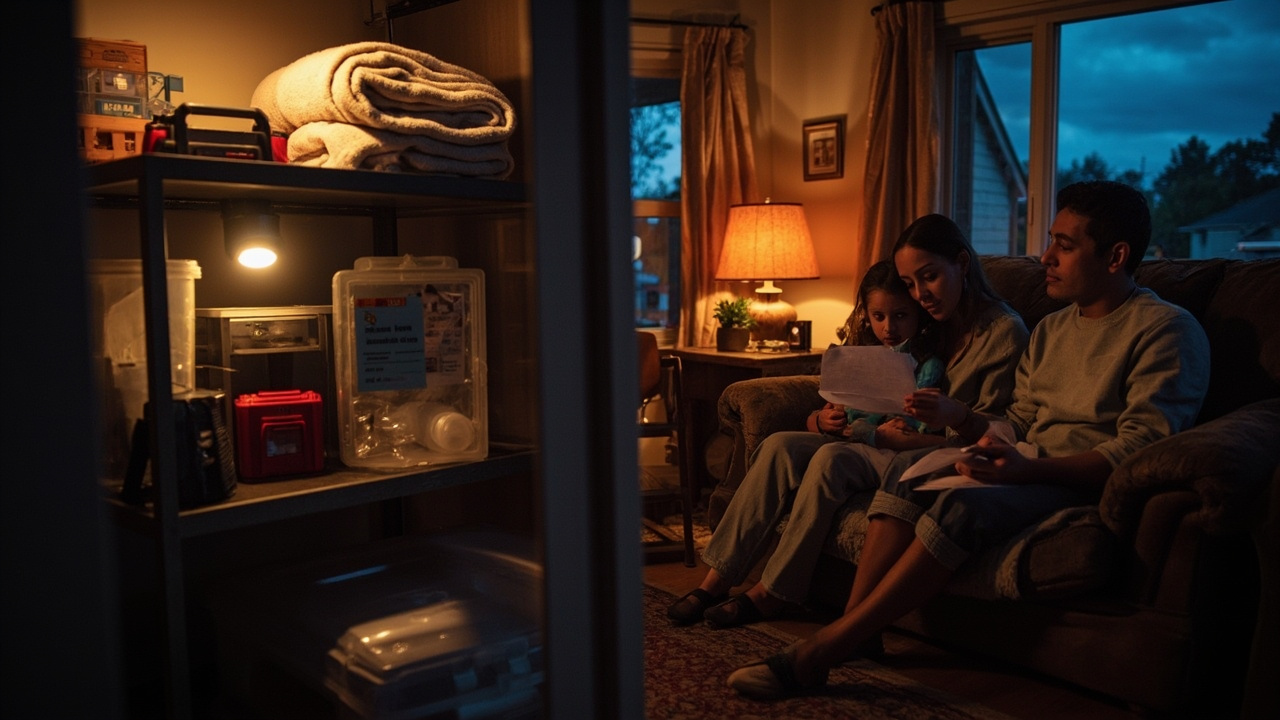
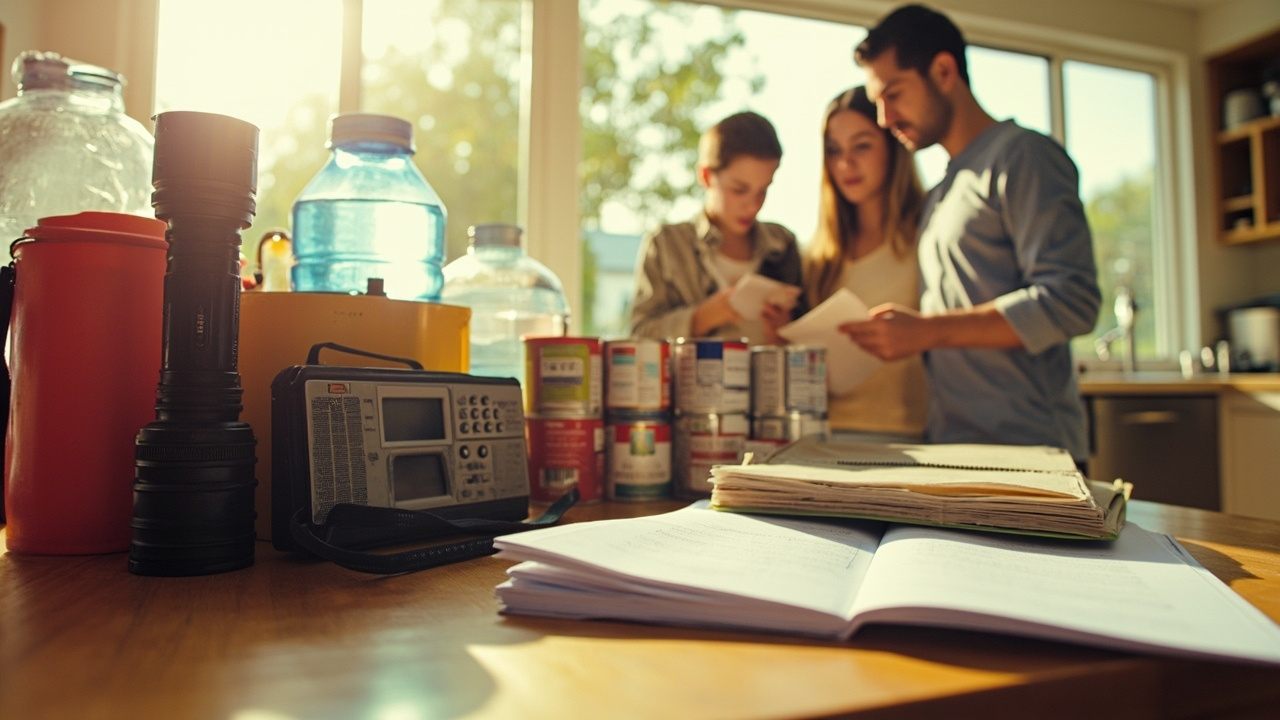
Write a one-page family emergency plan and keep a copy in your kit, according to Ready.gov. List home, work and school addresses for every household member. List two meeting places, one near home and one outside the neighborhood. Assign one out-of-town contact that everyone calls or texts if local lines are busy.
Include evacuation routes from each room and from the neighborhood, according to Ready.gov. Mark utility shutoff locations for water, gas and electricity on a home diagram. Note medical needs, mobility needs, infant needs and pet needs directly on the plan. Review the plan together and update phone numbers, addresses and school contacts when they change.
Practice the plan twice a year with a home fire drill and an evacuation walkthrough, according to Ready.gov. Time how long it takes to gather kits, secure pets, lock doors and reach the meeting place. Adjust assignments if children, older adults or caregivers need extra help. Store a paper copy in a waterproof bag because phones can fail.
Link the household plan to community alerts, according to Ready.gov. Sign up for local wireless emergency alerts and weather radio alerts. Learn evacuation zones and shelter locations from city or county emergency management. Share the out-of-town contact card with schools, caregivers and workplaces.
Water: the first number to set
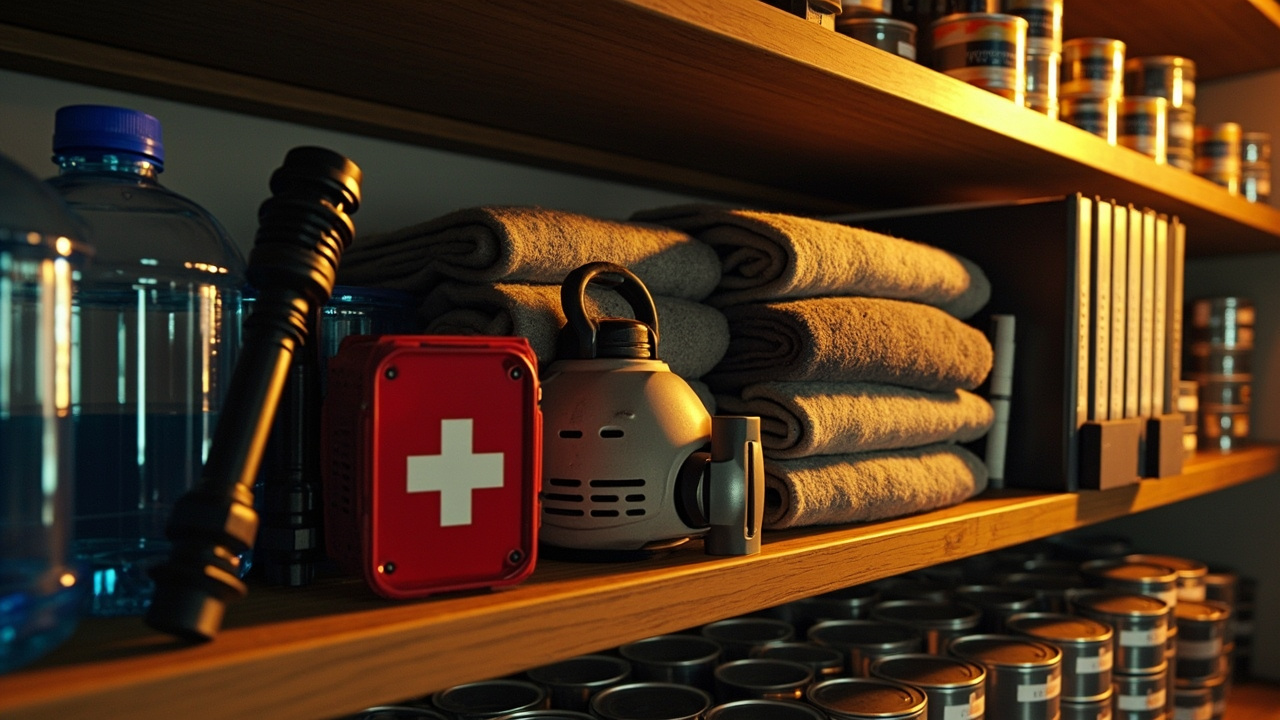
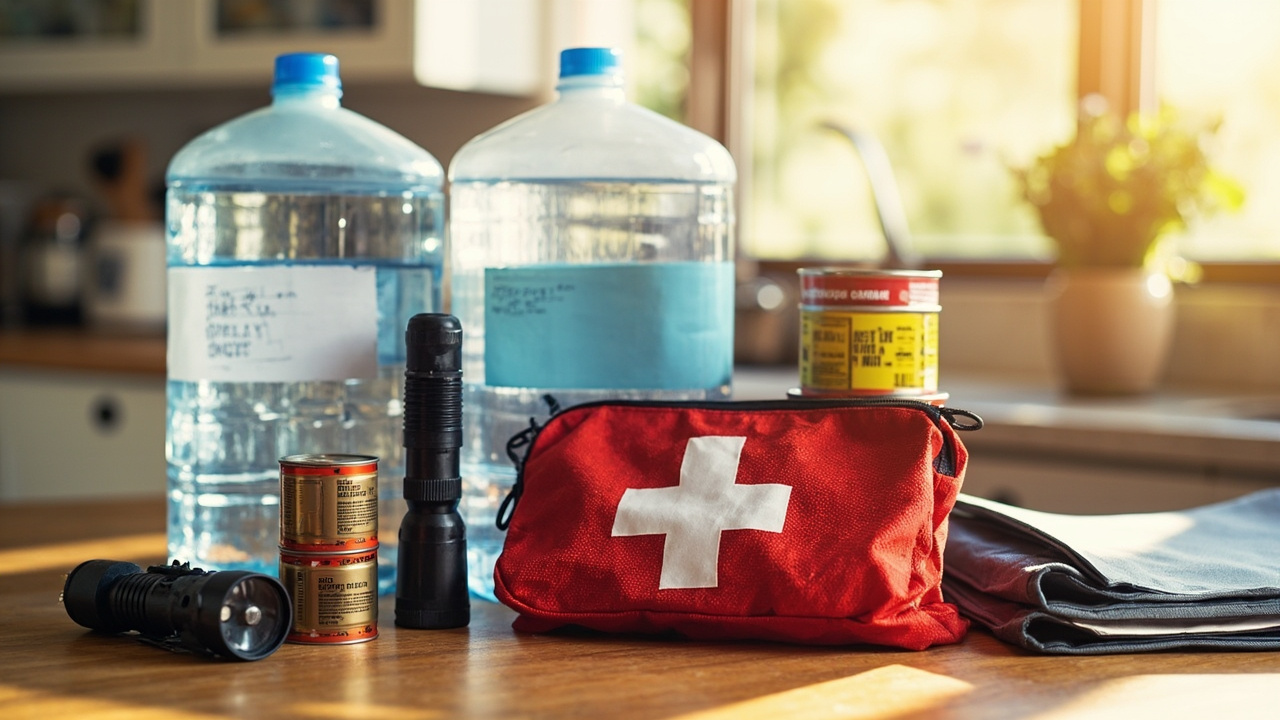
Store drinking water for every person and pet before storing anything else, according to Ready.gov. Federal guidance describes the household target as a multi-day supply per person. Break that total into sealed commercial bottles plus clean, food-grade containers filled from tap water. Label each container with the fill date and replace stored tap water on a rotation schedule.
Keep additional water for hygiene, cooking and cleaning separate from drinking water, according to the American Red Cross. Store containers in a cool, dark place away from chemicals and fuel. Never use containers that held pesticides, solvents or other toxic products. Check caps, seals and cartons for leaks during seasonal kit reviews.
Teach every household member where water is stored and how to ration it during an outage, according to Ready.gov. Keep a portable filter or purification tablets as a backup for extended disruptions. Keep collapsible jugs or a clean bucket for transport if distribution sites open. Do not open sealed drinking water until needed.
Add water for infants, nursing parents, older adults and pets to the base total, according to the American Red Cross. Keep formula water and pet drinking water in the same storage area. Rotate pet water on the same schedule as family water. Pack a small bottle in each go-bag for the first hours away from home.
Food: days without shopping or power
Keep a multi-day supply of nonperishable food that needs no refrigeration and little preparation, according to Ready.gov. Choose canned meats, canned vegetables, canned fruit, peanut butter, crackers, cereal, rice, pasta, dried beans, nuts and shelf-stable milk. Select items the household already eats so rotation stays simple. Check expiration dates twice a year and donate or use items before they expire.
Pack a manual can opener with the food supply, according to the American Red Cross. Keep cooking without power simple with a camp stove or grill used only outdoors and away from windows. Keep fuel for outdoor cooking stored safely outside living spaces. Discard perishable food that has been above safe refrigerated temperature after an outage.
Plan for special diets on the same shelf, according to the American Red Cross. Store infant formula, baby food, allergy-safe foods and low-sodium options as needed. Store pet food and treats with a spare leash, collar and bowls. Rotate specialty items on the same seasonal schedule as the main pantry reserve.
Keep ready-to-eat snacks in go-bags for evacuation, according to Ready.gov. Include energy bars, dried fruit and nuts in sealed pouches. Replace go-bag snacks before heat or cold degrades packaging. Keep utensils, plates and trash bags with the evacuation food pouch.
Light, power and communication
Pack flashlights and extra batteries for every bedroom and the main kit, according to the American Red Cross. Add a battery-powered or hand-crank radio for weather and evacuation orders. Keep mobile phone chargers and a portable power bank charged. Consider a solar charger as a backup where sunlight is reliable.
Keep one flashlight where it can be reached in the dark, according to Ready.gov. Test flashlights, radios and power banks during daylight saving time changes. Replace alkaline batteries before they corrode. Store batteries at room temperature and away from metal objects.
Keep whistles to signal for help if trapped or separated, according to the American Red Cross. Give each family member a whistle on a keychain or lanyard. Teach children to blow three blasts to signal distress. Keep a whistle in each go-bag and near beds.
Protect communication with paper backups, according to Ready.gov. Write phone numbers, meeting places and medical details on cards for wallets and backpacks. Keep a printed local map with evacuation routes marked. Keep coins or a prepaid phone card where pay phones or borrowed phones may require them.
Health, hygiene and shelter at home
Pack a first aid kit that covers cuts, burns, sprains and existing conditions, according to the American Red Cross. Include adhesive bandages, gauze, antiseptic wipes, tweezers, scissors, gloves and a first aid reference. Add a multi-day supply of prescription medicines with dosage instructions. Check medicines for expiration and heat sensitivity.
Add hygiene supplies that prevent illness when plumbing fails, according to Ready.gov. Pack soap, hand sanitizer, disinfecting wipes, toilet paper, trash bags and plastic ties. Keep a bucket with a lid and liners for emergency sanitation. Keep insect repellent and sunscreen with seasonal supplies.
Keep warm and dry with layered clothing and bedding, according to the American Red Cross. Pack a complete change of clothes and sturdy shoes for each person. Add blankets or sleeping bags for the household and for the car. Keep rain gear and warm hats and gloves where winters are cold.
Keep masks, extra glasses, contact supplies and hearing-aid batteries with health supplies, according to Ready.gov. Label each item with the user’s name. Keep infant diapers, wipes and cream in the same tote. Keep pet medicines and vaccination records with pet supplies.
Documents, money and home safety tools
Copy prescriptions, identification, insurance policies and bank account records, according to Ready.gov. Keep paper copies in a waterproof bag and encrypted digital copies on a portable drive. Include property deeds or leases, vehicle titles, medical cards and pet records. Store originals in a fire-resistant box or safe deposit location.
Keep cash in small bills with the documents bag, according to the American Red Cross. Plan for card readers and ATMs to be offline during outages. Keep coins for laundry, vending or public phones. Split cash between the home kit and go-bags so evacuation funds stay accessible.
Keep basic tools for shutting off utilities and making repairs, according to Ready.gov. Pack a wrench or pliers for utility valves, duct tape, plastic sheeting, a utility knife and work gloves. Keep a fire extinguisher serviced and mounted where adults can reach it. Teach responsible adults how to shut off water, gas and power safely.
Secure heavy furniture and water heaters to wall studs to reduce injury and leaks, according to Ready.gov. Anchor bookcases, televisions and mirrors away from beds. Move heavy objects to lower shelves. Learn how to relight or shut off gas only as directed by the utility or fire department.
Evacuation timing and go-bags
Keep a go-bag packed for each person so the household can leave within minutes, according to the American Red Cross. Pack water, snacks, change of clothes, flashlight, batteries, phone charger, whistle, dust mask, personal hygiene items, copies of documents, cash, keys and medicines. Add glasses, hearing aids, infant supplies and pet supplies as needed. Hang bags near an exit and keep car fuel above half a tank.
Map two evacuation routes from home, work and school, according to Ready.gov. Drive each route once so turns and exits are familiar. Identify shelters and pet-friendly lodging along each route. Keep a printed map in each vehicle in case navigation apps fail.
Plan for pets as part of evacuation timing, according to the American Red Cross. Keep carriers, leashes, food, water, bowls, medicines and vaccination records together. Confirm shelter and hotel pet policies in advance. Never leave pets behind when ordered to evacuate.
Practice loading the car and reaching the meeting place, according to Ready.gov. Assign who carries children, who handles pets, who grabs documents and who secures windows and locks. Time the drill and remove obstacles that slow departure. Update the plan after moves, births, new pets or new medical needs.
Maintain the numbers with a seasonal check
Review kits and plans when seasons change, according to Ready.gov. Test smoke alarms and carbon monoxide alarms monthly and replace batteries as recommended by manufacturers. Check fire extinguisher pressure gauges. Replace stored water, food, batteries, medicines and go-bag snacks before expiration.
Use community training to keep skills current, according to the American Red Cross. Take first aid, CPR and preparedness classes where available. Share the family plan with neighbors, caregivers and relatives. Volunteer for neighborhood preparedness groups to learn local shelter and aid procedures.