TL;DR: The most useful household resilience tools right now are a written family plan, a stocked emergency kit, and trusted guidance from Ready.gov and the American Red Cross.
Answer: What to put in place first
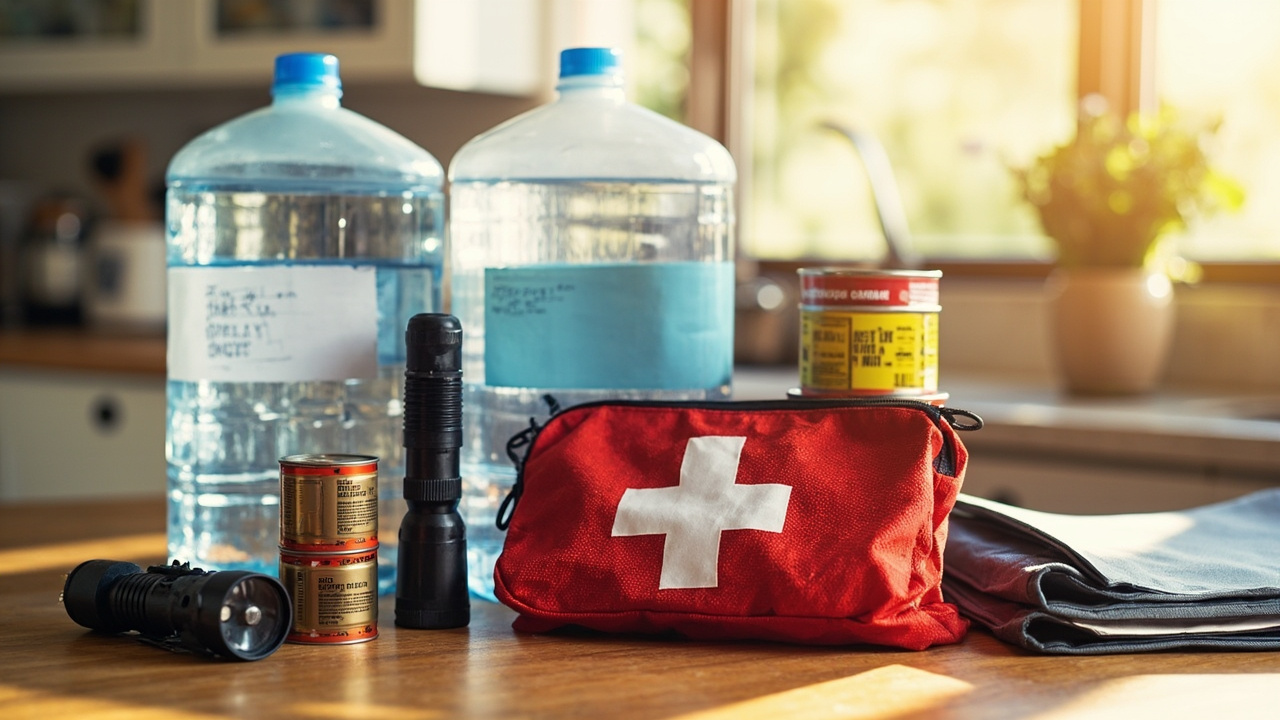
Build a written household emergency plan, assemble a ready-to-use emergency kit, and keep official preparedness guidance where every household member can find it. According to Ready.gov Build A Kit, a household kit brings together water, food, light, communication, health, and document supplies in one accessible place so a household can respond without searching for essentials during disruption.
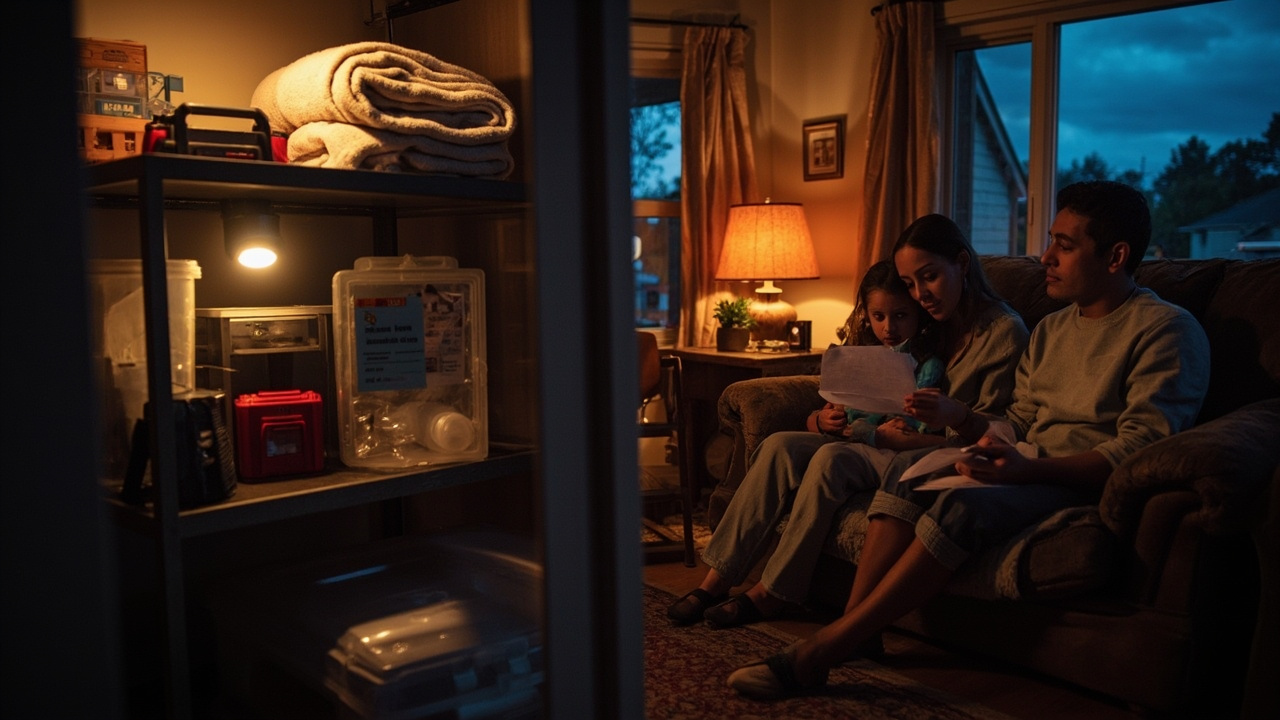
Make a plan that records how household members will contact each other, where they will meet, and what steps they will take for shelter, evacuation, and care of children, older adults, and pets. According to Ready.gov Make A Plan, a written plan helps households coordinate decisions, share responsibilities, and act with less confusion when phone service, power, or travel routes are limited.
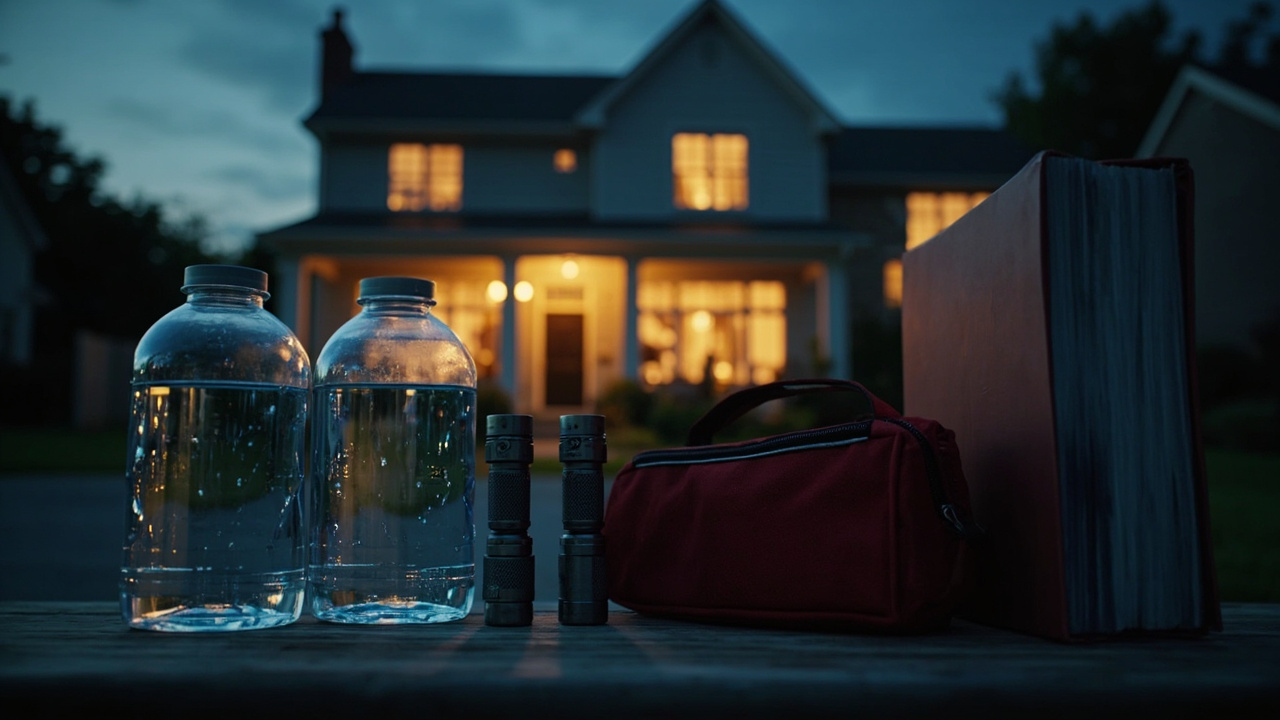
Keep guidance from the American Red Cross How to Prepare for Emergencies alongside those household tools for checklists on kits, planning, and recovery actions. Store printed copies with the kit so instructions remain available when screens are unavailable.
Household emergency plan
Write contact and meeting details
Write names, phone numbers, and an out-of-area contact that everyone can call if local calls do not connect. Choose two meeting places, one near home and one outside the neighborhood, and write the addresses and routes in the plan.
Share the plan with every household member and with caregivers, schools, and workplaces that may need to reach the household. Practice the plan by walking evacuation routes, testing contact methods, and reviewing roles for assisting children, older adults, people with disabilities, and pets.
Plan for shelter and evacuation
Identify shelter options inside the home for severe weather and identify evacuation destinations outside the area for events that require leaving. Note transportation needs, including vehicles, fuel readiness, and assistance for members who do not drive.
Include pets in shelter and evacuation decisions by listing carriers, leashes, food, water, medications, vaccination records, and a pet-friendly lodging option. Keep the evacuation destination, route alternatives, and return-entry instructions in the same document so decisions stay consistent.
Plan for communication loss
List a battery-powered or hand-crank radio as the household method for receiving public information when mobile networks and internet service are unavailable. Write the locations of chargers, backup batteries, and portable power supplies used for phones and essential devices.
Agree on a check-in routine, including text messaging first when calls fail, contacting the out-of-area contact, and leaving notes at the agreed meeting place when movement is necessary. Review the routine after drills and update numbers, addresses, and assignments when household circumstances change.
Emergency kit for the home
Water and food supplies
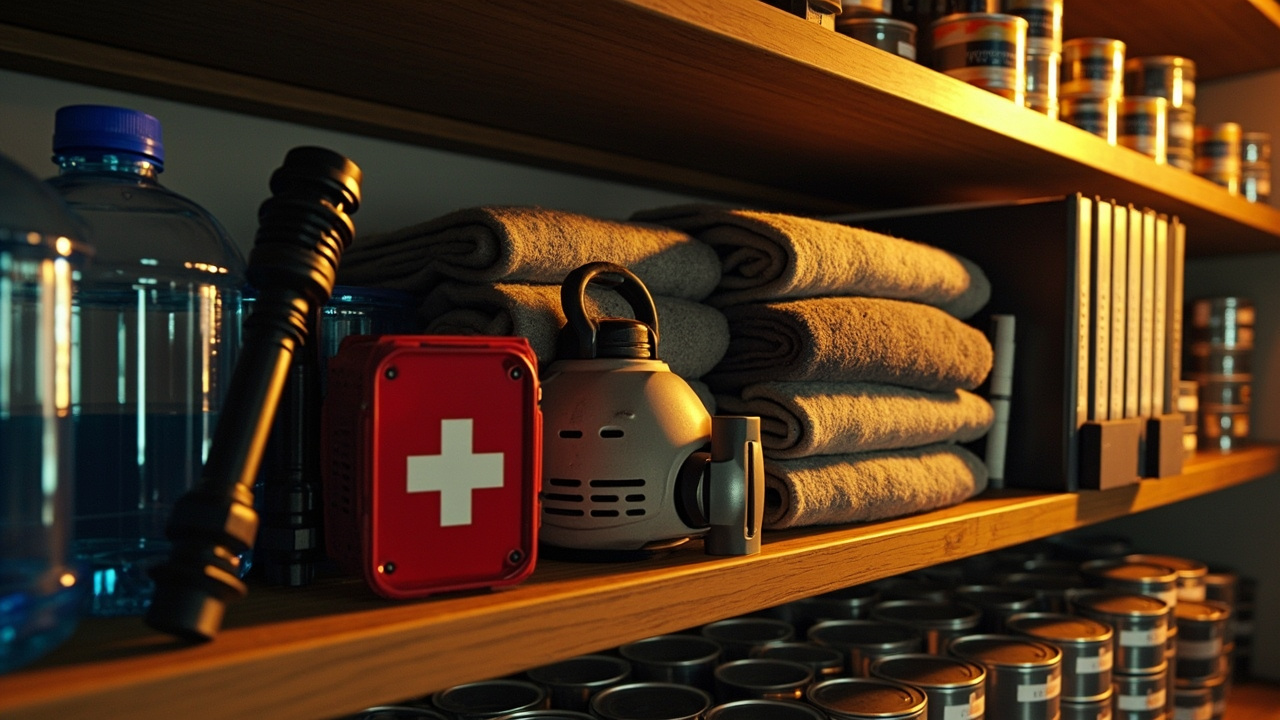
Store drinking water for the household in clean, sealed containers and keep it in a cool location that is easy to reach. Rotate stored water and stored food on a regular household schedule so supplies remain usable and familiar to all members.
Store ready-to-eat foods that require no refrigeration and little preparation, along with a manual can opener, eating utensils, cups, and basic cooking tools suitable for outages. Include food for infants, food for pets, and items that meet household dietary and allergy needs.
Light, power, and communication tools
Keep a flashlight with extra batteries in the kit and store a separate lantern for lighting a room during outages. Keep a battery-powered or hand-crank radio with the kit for alerts and public instructions.
Store portable chargers, spare batteries, and charging cables together in a labeled pouch so power accessories remain complete. Protect small electronics in sealed bags and keep a written list of important phone numbers with the communication supplies.
Health, hygiene, and comfort supplies
Assemble a first aid kit with bandages, antiseptic, gloves, tweezers, scissors, and instructions for basic care. Store prescription medications, eyeglasses, contact lens supplies, and medical device accessories needed by household members, along with a written medication list.
Pack soap, hand sanitizer, moist wipes, toilet paper, trash bags, and menstrual supplies to support hygiene when water service is limited. Add blankets, sleeping bags, warm clothing, rain gear, sturdy shoes, and seasonal protection for heat and cold.
Go bag for evacuation
Prepare a bag for each household member that can be carried quickly during evacuation. Place copies of identification, insurance information, medical information, bank account information, and emergency contacts in a waterproof folder inside the bag.
Include water, snacks, a flashlight, a radio, a phone charger, a change of clothing, personal hygiene items, and comfort items for children. Add cash in small denominations for situations where electronic payment systems are unavailable.
Keep the bag near an exit or in a vehicle-ready location and check the contents when seasons change. Adjust clothing, medications, infant supplies, and pet supplies as household needs evolve.
Important documents and household records
What to copy and protect
Copy identification cards, passports, birth records, marriage records, property records, vehicle titles, insurance policies, medical records, immunization records, and financial account details. Store originals in a fire-resistant and water-resistant container and store copies in the emergency kit and in secure storage outside the home.
Photograph rooms, appliances, and valuable belongings to support insurance documentation after damage. Save policy numbers, agent contacts, claim instructions, and utility account contacts with the document set.
How to store and update records
Place paper copies in sealed waterproof bags and store digital copies on an encrypted drive or secure storage service protected by a strong password. Limit access to trusted household members and keep access instructions where those members can find them.
Review documents when policies renew, when prescriptions change, when household members move, and when a new vehicle, appliance, or valuable item enters the home. Replace damaged folders, update contact lists, and confirm that copies remain readable.
Home safety tools and maintenance resources
Fire, power, and utility safety
Install smoke alarms and carbon monoxide alarms on appropriate levels of the home and test them according to the manufacturer guidance kept with household records. Keep a fire extinguisher accessible and keep instructions for shutting off water, gas, and electricity with the emergency plan.
Store sturdy work gloves, protective eyewear, a wrench or utility shutoff tool, plastic sheeting, duct tape, and basic repair supplies for containing minor damage. Keep flashlights, batteries, and safe alternative lighting available in more than one room.
Seasonal and shelter-in-place supplies
Keep extra blankets, warm layers, portable shelter materials, and weather-appropriate gear where household members can reach them without entering unsafe areas. Store cleaning supplies, paper towels, disinfectant, masks, and gloves for cleanup after leaks, spills, or debris entry.
Maintain vehicle readiness with fuel, tire care tools, jumper cables, maps, blankets, water, snacks, a flashlight, and a first aid kit. Keep walkways, exits, and utility access points clear so evacuation and shutoff actions remain possible.
Information resources to bookmark and print
Official checklists and alerts
Use Ready.gov checklists for planning, kits, and recovery steps and keep printed versions with household supplies. Enroll in local emergency alert systems and weather alert services used by city, county, or state agencies serving the home address.
Learn evacuation zones, shelter locations, flood maps, wildfire risk information, and utility outage reporting tools that apply to the household location. Save the web addresses, phone numbers, and radio frequencies for those services in the written plan.
Community and household support resources
Identify neighborhood support options, including community emergency response training, faith-based assistance programs, food banks, medical clinics, and volunteer networks. Write meeting schedules, contact details, and offered services in the household resource list.
Coordinate with neighbors on check-in plans for older adults, people living alone, and households with medical equipment that requires power. Share only necessary contact information and keep the shared list current.
Recovery tools for after an event
Damage documentation and cleanup
Keep a camera or charged phone, notebook, pen, measuring tape, and flashlight together for documenting damage after an event. Photograph damaged areas, save receipts for repairs and temporary lodging, and record dates of calls with insurers and assistance providers.
Use gloves, masks, sturdy footwear, trash bags, buckets, mops, towels, and disinfectant for initial cleanup when conditions are safe. Separate damaged items from undamaged items and follow local guidance for debris placement, hazardous materials, and inspection requests.
Health, finance, and continuity support
Keep contacts for primary care providers, pharmacies, mental health support lines, insurers, banks, employers, schools, and childcare providers in the recovery section of the plan. Store account access instructions, prescription refill procedures, and benefits information where authorized household members can retrieve them.
Prepare a short continuity routine for work, school, meals, medication, sleep, and pet care during displacement or extended outages. Assign tasks by name so responsibilities remain clear when routines are disrupted.
How to keep tools ready through the year
Inspection routine
Inspect the emergency kit, go bags, alarms, radios, flashlights, batteries, chargers, and document folders on a household schedule. Replace expired food, expired medications, worn clothing, leaking batteries, and damaged containers.
Test radios, flashlights, alarms, portable chargers, medical devices, and vehicle kits during the same inspection. Confirm that water containers remain sealed and that storage areas remain dry, cool, and accessible.
Household drill routine
Practice shelter, evacuation, communication, and utility shutoff steps with all household members, including children and visitors who stay regularly. Time the evacuation walk, confirm meeting places, and verify that carriers, medications, documents, and pet supplies move with the household.
Update the written plan after each drill with corrected routes, contacts, assignments, and supply gaps. Store the updated plan with the kit, share copies with trusted contacts, and keep a digital backup in secure storage.