TL;DR: Household resilience leaders are responding now by telling families to write a contact plan, build a basic supply kit, and practice home safety steps together.
What leaders want every household to do first
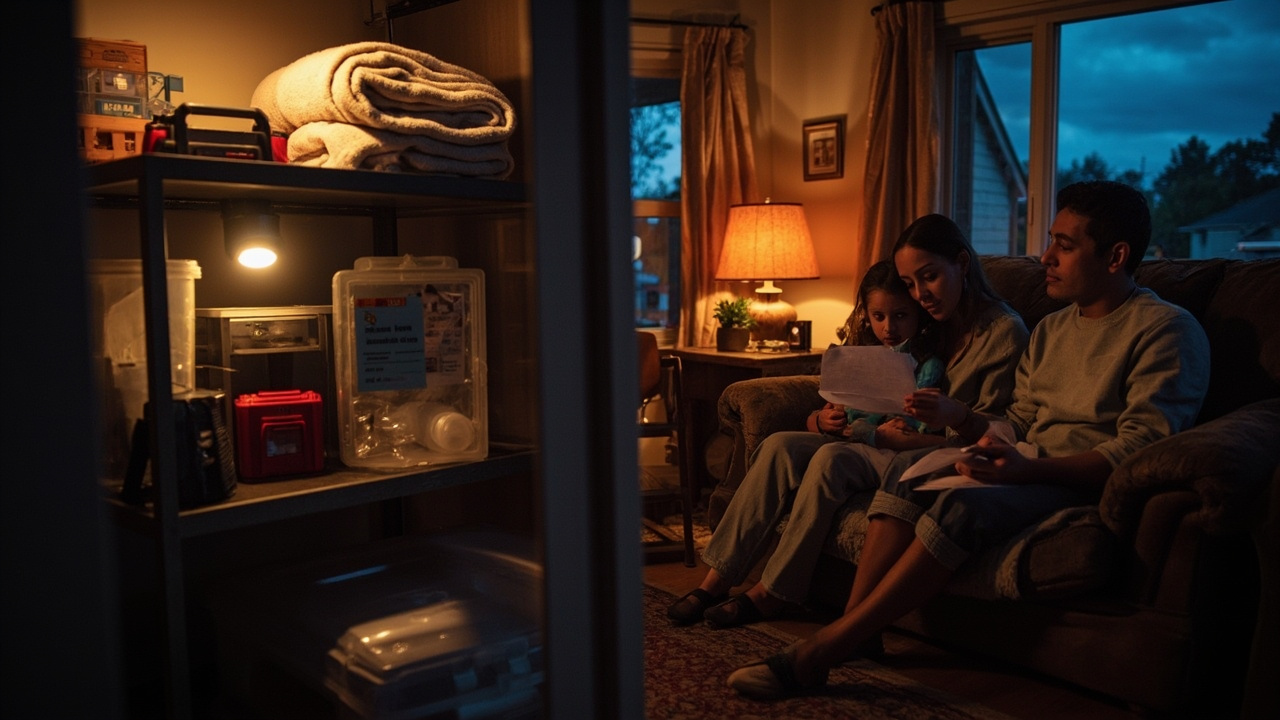
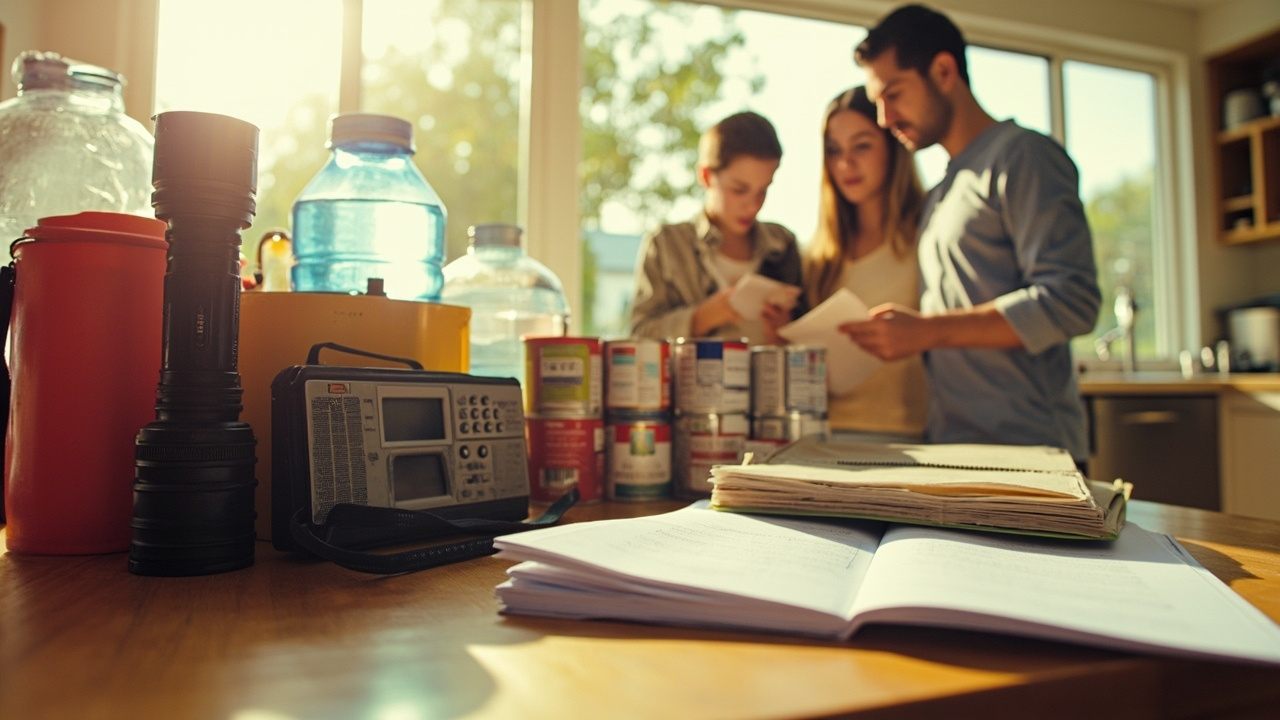
According to Ready.gov, start with a written family emergency plan that lists how household members will contact each other and where they will meet. Choose one out-of-area contact person that everyone can call or message if local lines are busy. Write down phone numbers on paper so children and older adults can use them without a phone. Pick two meeting places, one near home and one outside the neighborhood. Review school, childcare, and workplace emergency plans and add their pickup rules to your household plan. Share copies of the plan with every household member. Keep a printed copy in a folder with identification and medical information. Update the plan when phone numbers, addresses, caregivers, or health needs change. Practice the plan by walking through call, text, meet, and pickup steps. Discuss how to help neighbors who may need extra assistance. According to the American Red Cross, planning ahead for different types of emergencies helps households act calmly and stay connected.
How to build a basic household kit
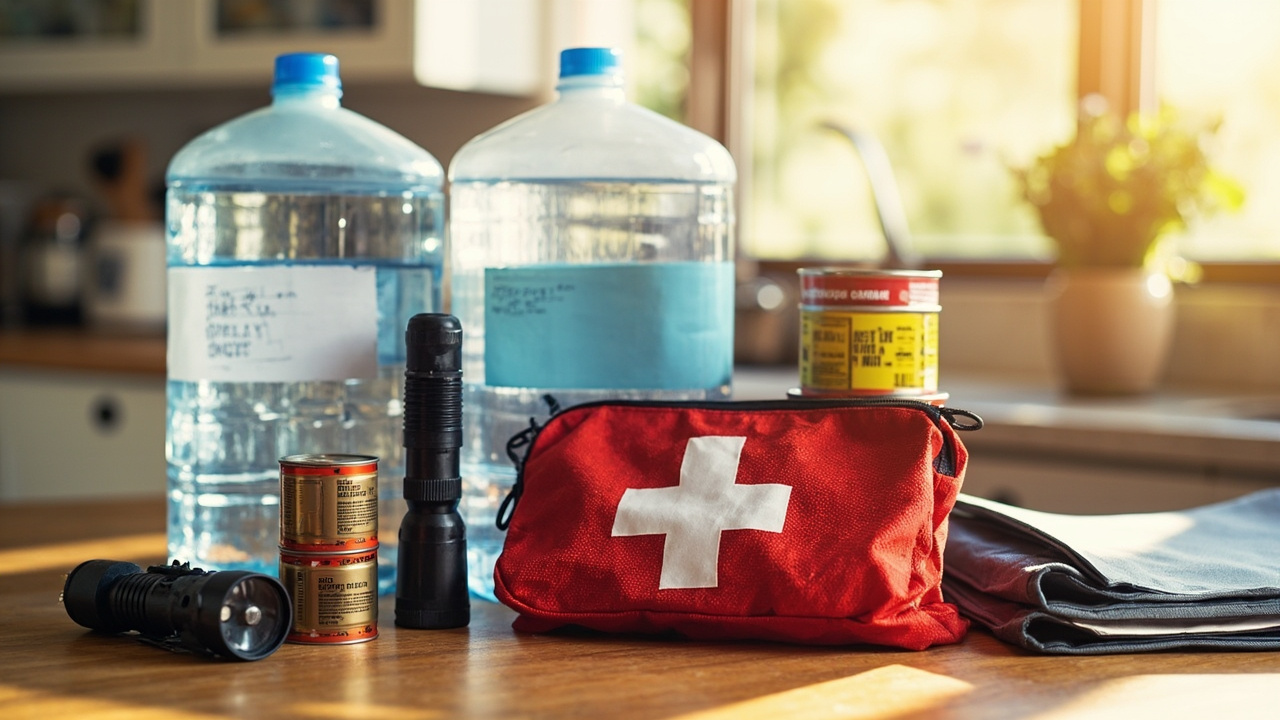
According to Ready.gov, assemble emergency supplies in sturdy containers that are easy to carry. Store drinking water in clean, sealed containers for household members and pets. Keep nonperishable food that does not require refrigeration and a manual can opener. Pack a flashlight with extra batteries. Add a battery-powered or hand-crank radio to receive alerts when power or networks fail. Include a first aid kit with bandages, antiseptic, gloves, and any daily medications. Pack moist towelettes, soap, trash bags, and other hygiene items. Keep a wrench or pliers to turn off household utilities if instructed by authorities. Store paper maps of the local area. Keep cash in small bills for situations where cards cannot be processed. Make copies of identification, insurance, medical records, and account numbers in a waterproof pouch. Pack sleeping bags or warm blankets. Add a complete change of clothing and sturdy shoes for each person. Include paper, pencils, books, and games for children. Check supplies on a regular schedule and replace expired food, water, batteries, and medications.
How to stay informed during an event
According to Ready.gov, sign up for local emergency alerts through city, county, or state systems. Learn the difference between a watch and a warning for household hazards. Keep a battery-powered or hand-crank radio charged and accessible. Follow instructions from local emergency officials about sheltering or leaving. Teach household members how to turn on wireless emergency alerts on mobile phones. Identify trusted local news and official agency channels before an event. Charge phones, battery banks, radios, and medical devices when severe weather is forecast. Keep a written list of utility outage numbers and poison control information. Talk with children about how alerts sound and what to do when they hear them. Practice moving quickly to a safe room, upper floor, or evacuation meeting point when an alert arrives. According to the American Red Cross, knowing how officials in your area will communicate helps households respond without delay.
How to make the home safer to shelter in
Walk through each room and secure heavy furniture, shelves, mirrors, and televisions to wall studs. Move heavy objects to lower shelves. Learn where the main water valve, electrical breaker, and gas shutoff are located. Label shutoff tools and store them where adults can reach them quickly. Test smoke alarms and carbon monoxide alarms and replace batteries as needed. Keep a fire extinguisher accessible and learn how to use it. Store flammable liquids away from heat sources. Clear hallways, doorways, and stairways so everyone can exit quickly. Keep shoes, flashlights, and eyeglasses near beds for nighttime events. Trim tree limbs near roofs and windows to reduce damage. Clean gutters and secure outdoor furniture when high winds are forecast. Store important documents above floor level in waterproof containers. Keep pet carriers, leashes, food, and vaccination records ready. Review renter or homeowner insurance coverage and store policy numbers with other documents.
How to plan for power, water, and heat loss
According to Ready.gov, think through what your household will do if power, water, heat, or phone service stops. Keep flashlights and lanterns in several rooms instead of relying on candles. Store extra batteries for lights, radios, and medical devices. Keep mobile battery banks charged. Plan safe ways to keep warm with blankets, sleeping bags, and layered clothing. Plan safe ways to stay cool with shade, ventilation, and drinking water. Never use outdoor grills, camp stoves, or gasoline engines indoors. Keep refrigerator and freezer doors closed to preserve food during an outage. Throw away perishable food that has been at unsafe temperatures. Store extra water for drinking, cooking, and hygiene. Learn how to manually open garage doors and security gates during an outage. Keep fuel for vehicles at a safe level so evacuation is possible. Coordinate with neighbors to check on each other during extended outages. According to the American Red Cross, preparing for utility interruptions helps households stay safe until services return.
How to prepare for evacuation
According to Ready.gov, learn local evacuation routes and shelter locations before you need them. Plan several routes in case roads are closed. Decide where household members and pets will stay if you must leave. Keep vehicle maintenance current and know how to turn off utilities before leaving. Pack a go bag with water, food, medications, clothing, chargers, identification, cash, and hygiene items. Include supplies for infants, older adults, and pets. Bring chargers, battery banks, and a portable radio. Take pillows, blankets, and comfort items for children. Lock doors and windows when leaving. Leave a note for others explaining when you left and where you are going if time allows. Follow designated routes and never drive through flooded roadways. Check in with your out-of-area contact once you reach safety. Wait for official notice before returning home. Inspect the home for damage before entering and avoid downed lines and flooded areas.
How to include health needs in the plan
Make a written list of medical conditions, allergies, prescriptions, dosages, pharmacies, and clinicians. Keep at least a short extra supply of prescription medications where safe and legal to do so. Store eyeglasses, hearing aids with extra batteries, mobility aids, and chargers with emergency supplies. Keep copies of health insurance cards and immunization records in a waterproof pouch. Plan how to power refrigerated medications and medical devices during an outage. Talk with clinicians about backup care options if clinics close. Teach household members basic first aid and how to call for help. Keep first aid instructions with the first aid kit. Plan transportation for household members who cannot drive or walk long distances. Arrange in advance for help from family, friends, or neighbors. Include comfort and communication supports for household members with disabilities. Practice health-related steps during household drills.
How to prepare children and older adults
According to Ready.gov, involve children in planning so they understand what to do and where to go. Teach children full names, addresses, and emergency contact numbers. Show children how and when to call for help. Walk children through safe rooms, exits, and meeting places. Pack comfort items, books, and activities in children's go bags. Rehearse what to do if separated in public places. Share medical, mobility, dietary, and caregiver information for older adults with trusted contacts. Keep mobility aids, hearing aids, glasses, medications, and chargers in consistent, reachable places. Arrange daily check-ins with neighbors or relatives for older adults living alone. Label medications clearly and keep a printed medication schedule. Practice moving to safe areas using actual mobility aids. Keep pet information, carrier locations, and feeding instructions written down for caregivers.
How to care for pets in emergencies
According to the American Red Cross, include pets in household emergency plans and supply kits. Keep leashes, carriers, food, water, bowls, medications, and vaccination records together. Make sure identification tags and microchip information are current. Plan pet-friendly shelter options because many public shelters have restrictions. Arrange backup caregivers if household members are away. Keep recent photos of pets with ownership information. Practice loading pets into carriers and vehicles calmly. Bring waste bags, litter, and cleaning supplies when evacuating. Keep pets calm and secured during loud events or sheltering. Check pets for injury or stress after an event and contact a veterinarian if needed.
How to practice and keep the plan current
According to Ready.gov, practice household plans through short drills during day and night. Time how long it takes to gather supplies, secure pets, and reach meeting places. Practice communication steps with phones turned off to simulate outages. Review what worked and fix gaps after each drill. Replace expired food, water, batteries, and medications. Update contact numbers, meeting places, school pickup rules, and caregiver instructions. Refresh copies of documents after moves, births, or health changes. Restock children's clothing and pet supplies as needs change. Recharge battery banks, radios, and flashlights. Review insurance documents and store updated policy numbers with emergency papers. Share updated plans with all household members and caregivers. Schedule the next review date and keep it visible on a household calendar.
How neighbors and community programs fit in
According to Ready.gov, connect with neighbors and local volunteer programs that support preparedness. Learn basic first aid and emergency response skills through community training. Map neighbors who may need help and neighbors who can provide help. Share tools, skills, and transportation options in advance. Join neighborhood messaging groups for alerts and check-ins. Learn where community shelters, food distribution points, and aid stations are located. Volunteer with recognized response organizations rather than entering hazardous areas alone. Keep volunteer contact information with household emergency papers. Attend community drills when offered. Help translate plans and alerts for neighbors who need language support. After an event, check on neighbors and share verified official updates.