TL;DR: Household resilience this week comes down to reviewing your plan, checking your supplies, and practicing communication together.
What changed for households this week
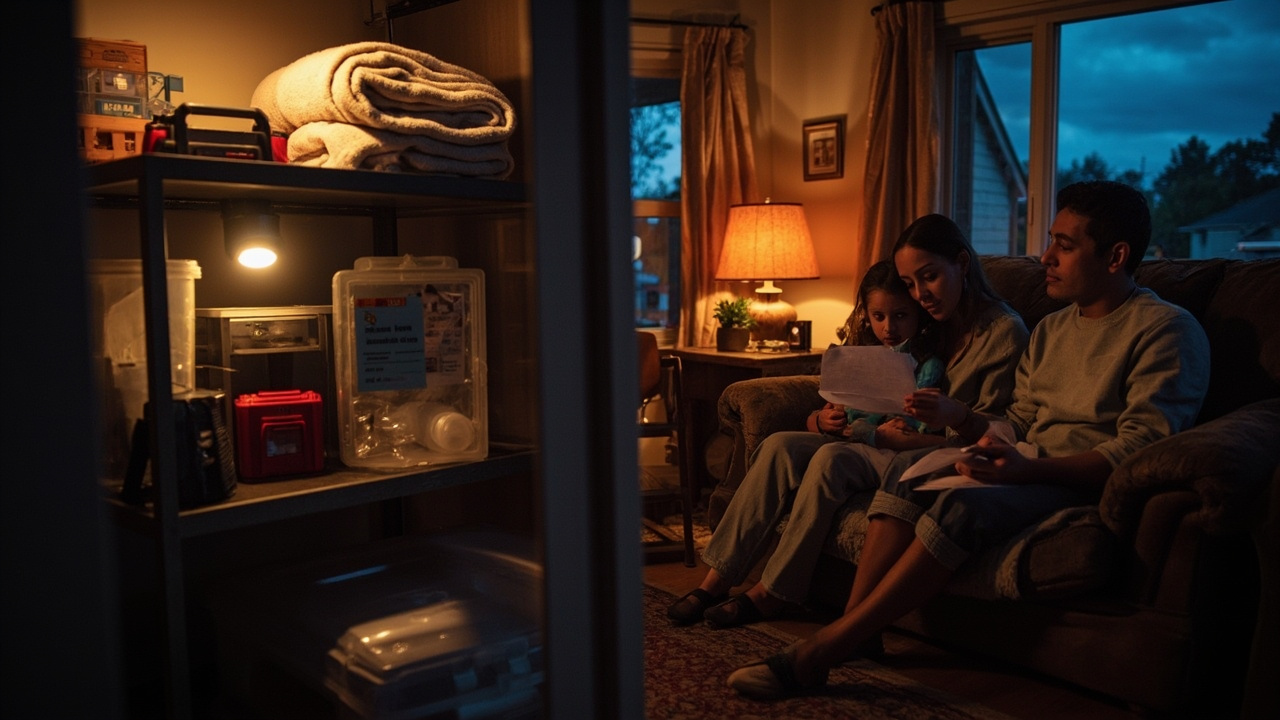
Households are starting a new preparedness review cycle focused on planning together, checking supplies already on hand, and practicing how to stay in touch during disruptions, according to Ready.gov.
That message reframes September preparedness guidance around shared action at home rather than individual stockpiling, according to FEMA.
The practical shift for readers is simple. Look at what your household already owns, talk through where you would go and how you would reach each other, and fix the small gaps you find before the next storm, outage, or evacuation notice.
This article explains how to apply that guidance step by step using only general household practices described by those federal preparedness resources.
Start with a household plan everyone understands
Write down how you will stay in contact
Choose how household members will check in if phones do not work as usual or if family members are in different places when something happens.
Pick a familiar out-of-area contact that everyone can call or message to share status updates.
Make sure children, older adults, and caregivers know how to reach that contact and what information to share.
Keep contact details on paper as well as on phones, so the list remains useful during a power outage.
Review the contact list together so everyone understands when to check in and what to do if a first attempt does not connect, as recommended by Ready.gov. See https://www.ready.gov for plan templates and checklists.
Decide where you would go
Identify two kinds of meeting places. One should be close to home for sudden events that require leaving quickly. The other should be farther away for situations where the immediate neighborhood is not usable.
Talk through transportation options for each person, including those who do not drive, those who need assistance with mobility, and pets that need carriers or leashes.
Walk through the routes together when possible so the plan feels familiar rather than abstract.
Update the plan when school schedules, work locations, childcare arrangements, or health needs change, as recommended by FEMA. See https://www.fema.gov for general planning information.
Check supplies you already own
Review water, food, and daily essentials
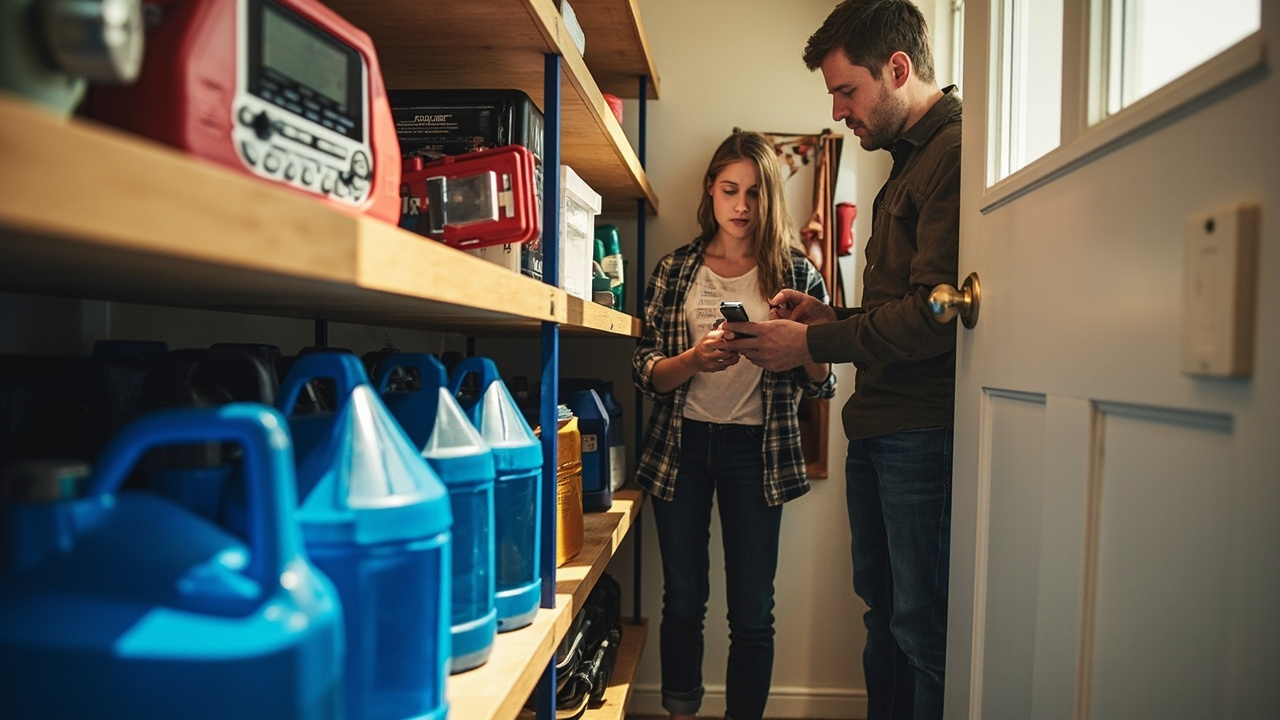
Look through kitchen shelves, storage areas, and pantries to see what food your household already eats and what could be used during a period without power or without trips to a store.
Focus on foods that require little or no cooking and that household members will actually eat, including options suitable for infants, older adults, and anyone with dietary needs.
Check prescription needs, over-the-counter items routinely used at home, eyeglasses, hearing aid supplies, and other health essentials.
Rotate stored items into regular meals and replace them with fresh supplies so nothing is wasted and the stock remains familiar.
This rotate-and-replace approach keeps preparation tied to normal shopping rather than separate emergency shopping, in line with guidance from Ready.gov.
Inspect lighting, power, and warmth
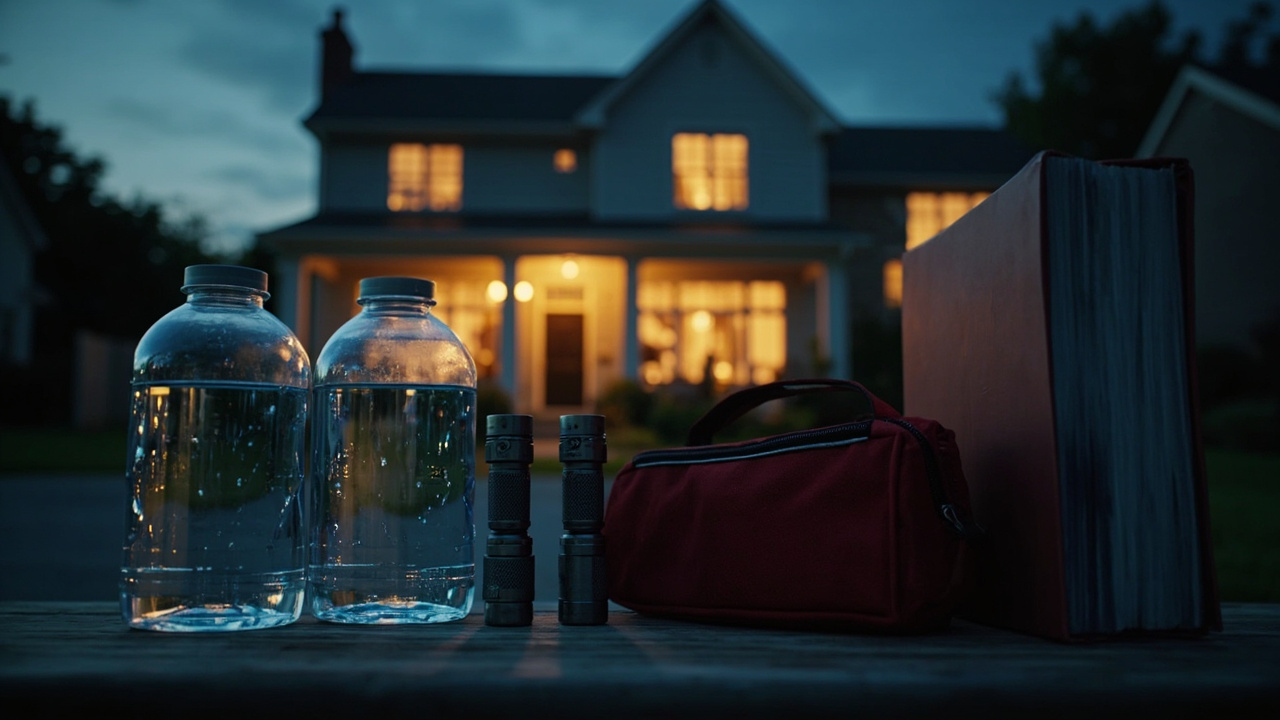
Gather flashlights, lanterns, and extra batteries in one place where everyone in the household can find them in the dark.
Test each light to confirm it works, clean battery contacts, and remove batteries from devices that show signs of leakage.
Keep warm layers, blankets, and sturdy shoes accessible for use if heating is interrupted or if you must leave quickly at night.
Store matches or lighters safely away from children while keeping them available for adult use where allowed and safe.
Review safe use of candles and alternative light sources with all household members, keeping fire safety in mind, as described in general household safety guidance linked from Ready.gov.
Refresh first aid and hygiene
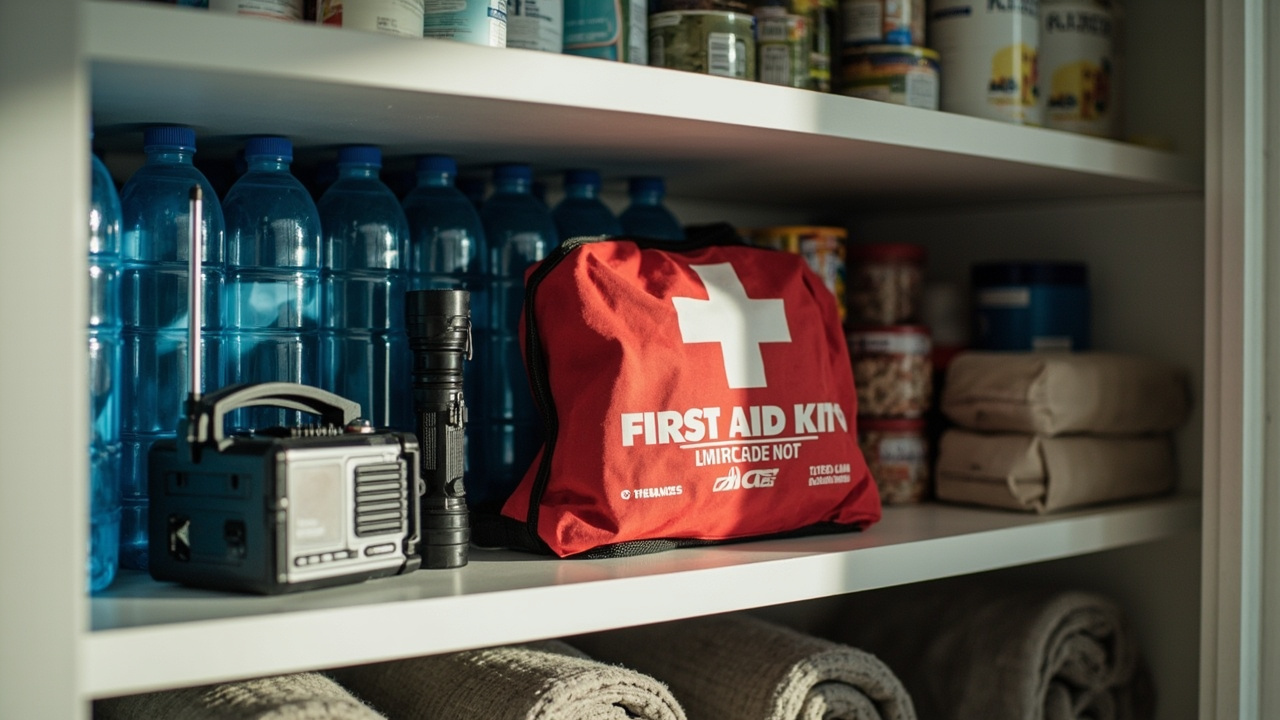
Open your first aid kit and look for missing, damaged, or expired contents.
Restock bandages, gauze, adhesive tape, antiseptic wipes, gloves, and any personal care items your household uses regularly.
Add copies of health information, allergy notes, and medication lists in a sealed bag that can travel with you if evacuation becomes necessary.
Include hygiene supplies such as soap, hand sanitizer, moist towelettes, toilet paper, and bags for waste, since disruptions to water service make basic cleanliness harder.
Place the kit where adults and older children can reach it quickly, and show everyone what is inside, following the general approach outlined by Ready.gov.
Practice communication during outages
Keep a battery-powered information source
Keep a battery-powered or hand-crank radio where you can find it quickly, along with spare batteries stored separately.
Learn how to tune the radio to local stations that carry weather and emergency information for your area.
Practice using the radio with household members so everyone knows how to turn it on, adjust volume, and find a clear signal.
Store the radio with your flashlights and contact list so information, light, and communication stay together during an outage, as suggested in general preparedness materials from FEMA.
Plan for limited phone service
Discuss what to do if calls do not go through, texts are delayed, or batteries run low.
Agree on short check-in messages that confirm location, safety, and next steps without long back-and-forth exchanges.
Keep portable chargers charged and store charging cables with the chargers so they are ready to use.
Conserve phone batteries by lowering brightness, closing unused apps, and limiting nonessential use during an outage.
Designate times to check for updates rather than keeping phones active continuously, which helps the whole household stay coordinated, in line with advice referenced by Ready.gov.
Make your home ready to shelter or leave
Prepare to stay safely at home
Choose a room or area that can stay comfortable if heating or cooling is interrupted and that is away from hazards such as large windows during high winds.
Keep blankets, pillows, water, snacks, medications, lighting, and entertainment items nearby so sheltering in place feels manageable.
Know how to shut off water valves and how to operate heating and cooling controls safely.
Review safe operation of any fuel-burning equipment with adults in the household, keeping ventilation and carbon monoxide safety in mind.
Keep walkways clear and secure heavy items that could fall, which supports safer movement indoors during and after disruptive events, consistent with home safety guidance pointed to by FEMA.
Prepare to leave quickly if asked
Pack a bag for each household member with clothing, sturdy shoes, medications, copies of identification and insurance information, cash in small denominations for situations where electronic payment is unavailable, chargers, and comfort items for children.
Include supplies for pets such as food, water, bowls, leashes, carriers, waste bags, and vaccination records where available.
Store bags near an exit without blocking pathways, and keep vehicle fuel levels and general vehicle condition in mind as part of routine readiness.
Practice loading the car and securing the home, including locking doors and windows, unplugging nonessential electronics where safe to do so, and letting your out-of-area contact know your plans.
This leave-quickly routine reflects the evacuation readiness approach described by Ready.gov.
Include everyone in the household
Support older adults and people with disabilities
Talk directly with older adults, people with disabilities, and caregivers about what assistance may be needed during a power outage, evacuation, or shelter-in-place period.
List mobility devices, communication devices, medical devices, and power needs for those devices as part of the household plan.
Arrange for backup support from neighbors, friends, or community members who can help if primary caregivers are unavailable.
Keep assistive items, chargers, and spare parts with the go bag or in an easily reached location.
Update the support plan after any change in health, mobility, or equipment, following the inclusive planning approach highlighted by FEMA.
Plan for children and pets
Involve children in age-appropriate tasks such as checking flashlights, packing comfort items, or memorizing the out-of-area contact.
Practice drills in a calm and supportive way so children understand what to do without feeling frightened.
Keep familiar snacks, books, games, and blankets available to provide comfort during stressful periods.
For pets, keep identification on collars, keep carriers accessible and familiar, and practice moving animals calmly.
Confirm in advance which friends, relatives, or lodging options can accommodate pets, since not all shelters accept animals, a consideration noted in household planning resources from Ready.gov.
Build neighborhood resilience together
Share skills and check on neighbors
Introduce yourself to neighbors and discuss how you could help each other during outages or evacuations.
Identify who might need extra help, who has useful skills, and who has tools that could be shared safely.
Agree on simple ways to signal that you are safe or that you need assistance, such as porch lights, window signs, or scheduled check-ins.
Keep a paper list of nearby contacts along with your household contact list.
This neighbor-to-neighbor approach reflects the prepare-together emphasis promoted through National Preparedness Month materials referenced by FEMA.
Learn community resources in advance
Find out where your community shares official updates during emergencies, such as local government websites, radio stations, or community alert systems.
Learn the locations of nearby gathering places, shelters, or assistance centers that officials may open during extended events.
Understand how schools, workplaces, and childcare providers communicate closures and pickup procedures.
Attend community preparedness events or training opportunities when available to build familiarity with local responders and volunteers.
Staying connected to local information sources helps households act early rather than waiting until conditions worsen, a principle emphasized by Ready.gov.
Keep the routine going all year
Schedule seasonal reviews
Set a regular time to review your plan and supplies as seasons change or when household circumstances change.
Use the review to update contacts, replace worn items, refresh food and water routines tied to normal shopping, test lights and radios, and confirm meeting places still make sense.
Involve the whole household so updates reflect current school, work, health, and transportation realities.
Document changes on your paper plan and share updated copies with everyone who needs them.
Consistent review turns preparedness into a normal household habit rather than a one-time project, which is the central household resilience message from FEMA.
Practice one skill at a time
Choose a single skill to practice between reviews, such as using the radio, packing bags quickly, shutting off household utilities safely, or contacting the out-of-area check-in person.
Keep practice sessions short and practical so participation stays high.
Talk about what worked and what felt confusing, then adjust the plan accordingly.
Celebrate improvements so household members stay motivated to continue.
Steady, small practice builds confidence and keeps everyone familiar with the plan described in materials from Ready.gov. See https://www.ready.gov/plan for planning worksheets that support this routine.
Sources referenced
- FEMA - Preparedness and Protection (https://www.fema.gov/) informed this article's reporting and source checks.