TL;DR: Policy and regulation shape household emergency resilience by setting standards for homes, utilities, and local response, so align your household plan, supplies, and home improvements with guidance from Ready.gov and the Federal Emergency Management Agency.
How Rules Reach Your Front Door
Policy and regulation affect household resilience by shaping what is built, how utilities operate, and how local agencies prepare and communicate. According to Ready.gov, households benefit from making a plan, building a kit, and staying informed about local hazards and official instructions. According to the Federal Emergency Management Agency, preparedness works best when households, communities, and agencies coordinate before disruption arrives.
Start with official guidance for your address. Review the preparedness checklists published on Ready.gov. Review the strategic priorities described by the Federal Emergency Management Agency. Use those pages as the reference point for household decisions about planning, supplies, communication, and home maintenance.
Learn how local rules apply where you live. Contact your city or county emergency management office and ask what hazards are prioritized for your neighborhood. Ask how warnings are issued and where shelter information is posted. Ask what permits are needed for home improvements that support resilience.
Building Codes And Home Standards
Building codes set minimum expectations for how homes are constructed and updated. According to Ready.gov, protecting property through maintenance and appropriate improvements supports household preparedness. According to the Federal Emergency Management Agency, stronger building practices help communities reduce loss and recover faster.
Check which code applies to your home. Ask your local building department what edition is in force for your address. Ask whether your home was built under an earlier edition. Ask what triggers an upgrade during remodeling or addition.
Focus on the building envelope. Inspect the roof covering, flashing, vents, windows, and doors for damage and wear. Keep gutters and drainage paths clear so water moves away from the structure. Repair loose siding, trim, and fixtures that could detach in high wind.
Discuss wind and water protection with a licensed contractor. Ask about options for roof attachment, opening protection, and water intrusion reduction that comply with local code. Request work that meets or exceeds the minimum for your area. Keep permits, inspection records, and contractor receipts with household papers.
If you rent, review lease terms and building rules. Ask the property owner or manager about maintenance responsibilities for windows, doors, detectors, and drainage. Document requests in writing. Keep renter guidance from Ready.gov with your household plan.
Permits, Inspections, And Upgrades
Permits and inspections connect household projects to safety standards. According to Ready.gov, households should understand risks to the home and take practical steps to reduce them. According to the Federal Emergency Management Agency, following current standards during repairs and upgrades supports long-term resilience.
Plan upgrades in the correct order. Identify hazards first, then select improvements that address those hazards. Confirm permit requirements before purchasing materials. Schedule inspections at the stages required by the local office.
Keep a home file. Store permits, inspection approvals, product manuals, warranties, and photos of completed work. Store a copy outside the home with a trusted contact or in secure online storage. Update the file after each project.
Maintain safety devices required by local rules. Test smoke alarms and carbon monoxide alarms following manufacturer instructions. Replace devices that do not respond correctly. Keep stairways, exits, and utility access areas clear.
Address drainage and grading around the foundation. Watch for pooling water after rain. Keep soil, mulch, and plantings from directing water toward walls. Consult local guidance before changing drainage patterns that could affect neighboring properties.
Utility Rules, Shutoffs, And Backup Systems
Utility regulation affects how power, water, gas, and communications perform during emergencies. According to Ready.gov, households should know how to receive alerts and how to manage utilities safely. According to the Federal Emergency Management Agency, coordination among utilities, agencies, and households improves continuity during disruption.
Learn where utility controls are located in your home. Identify the main electrical disconnect, water shutoff, and gas shutoff. Label controls clearly. Teach adult household members how to operate controls safely.
Ask utility providers about emergency procedures. Request information about planned outage notifications, medical needs registries where available, and restoration priorities. Sign up for official outage alerts and local emergency alerts. Keep contact numbers in printed form.
Use backup equipment only in ways allowed by manufacturer instructions and local rules. Operate portable generators outdoors away from doors and windows. Allow engines to cool before refueling. Store fuel in approved containers away from living spaces.
Protect water safety. Keep clean containers for drinking water storage. Follow local health department instructions about treatment or use restrictions during contamination events. Replace stored supplies on a schedule that keeps them fresh and usable.
Maintain communications options. Keep a battery-powered or hand-crank radio for official messages. Keep phones charged and keep backup charging equipment ready. Keep a printed contact list for family, neighbors, workplaces, schools, and medical providers.
Land Use, Floodplains, And Insurance Requirements
Land use and floodplain rules influence where and how homes are built and what protection is expected. According to Ready.gov, households should know flood risk and consider protection appropriate to the location. According to the Federal Emergency Management Agency, understanding flood maps and local requirements helps owners make informed decisions.
Find your location on the current official flood map. Ask the local floodplain office whether your address is in a regulated area. Ask what elevation, construction, and insurance expectations apply. Ask how map updates are announced.
Review insurance requirements and options with care. Talk with a licensed agent about coverage for structure and contents. Review exclusions, waiting periods, and documentation requirements. Photograph rooms, equipment, and valuable items and store copies outside the home.
Reduce water entry where local rules allow. Keep foundation vents clear where present. Seal gaps that allow moisture and pests to enter. Move important papers, electronics, and irreplaceable items to higher levels when flooding is forecast.
Follow evacuation and access rules during flood events. Never drive through flooded roadways. Follow barricades and official closures. Return only when officials state that reentry is allowed.
Grants, Assistance Programs, And Eligibility
Public programs can help households plan, mitigate hazards, and recover after events. According to the Federal Emergency Management Agency, preparedness grants and mitigation programs support state, local, tribal, and territorial efforts that reach households. According to Ready.gov, households should learn what assistance may be available and what documentation is needed.
Learn program types before you need them. Ask your state and local emergency management office what mitigation support exists for homeowners and renters. Ask what preparedness education is offered through community programs. Ask what recovery assistance requires in terms of identification, occupancy proof, and loss documentation.
Prepare a documentation packet. Keep identification, proof of address, lease or ownership papers, insurance policies, medical needs summaries, and household contact information together. Store originals safely and keep copies outside the home. Update the packet when household members, addresses, or medical needs change.
Understand that eligibility rules control access. Read program instructions carefully. Apply through official channels only. Keep application numbers, receipts, and correspondence. Ask an official representative for clarification when instructions are unclear.
Support neighborhood readiness where programs encourage it. Join local training that follows official curriculum. Practice communication and meeting points with neighbors. Share only official program information and avoid repeating rumors about aid.
Communications Policy, Alerts, And Accessibility
Alerting rules and accessibility requirements shape how warnings reach households. According to Ready.gov, households should use multiple ways to receive warnings and should plan for the needs of all members. According to the Federal Emergency Management Agency, accessible communication helps ensure that preparedness information reaches people with disabilities and others with access needs.
Enroll in local alert systems. Register mobile numbers for city, county, and school notifications. Enable wireless emergency alerts on mobile devices. Test that alerts arrive as expected and adjust settings with help from official instructions.
Plan for accessible communication. Identify preferred languages, formats, and assistive devices for each household member. Keep written instructions in plain language. Keep extra batteries and chargers for assistive technology.
Practice message handling. Designate who monitors official broadcasts during an event. Designate an out-of-area contact for check-ins when local circuits are busy. Keep a written script with names, locations, medical notes, and meeting points.
Verify information before acting. Use official agency channels for evacuation, shelter, and safety instructions. Avoid forwarding unverified messages. Report outages, hazards, and misinformation through designated official channels.
Health, Safety, And Environmental Rules
Health and environmental rules affect household handling of food, water, waste, and hazardous materials. According to Ready.gov, households should store food and water safely and follow public health instructions during emergencies. According to the Federal Emergency Management Agency, following official safety guidance protects responders and residents during response and recovery.
Store food that needs no refrigeration and needs little preparation. Check packaging for damage and expiration guidance. Rotate supplies so stored items remain usable. Keep manual can openers and basic cooking tools accessible.
Follow food safety instructions after power loss. Discard items that show signs of spoilage. Follow local health instructions about when refrigerated items are no longer safe. Clean preparation surfaces before use.
Handle household chemicals with care. Keep cleaners, fuels, paints, and pesticides in original labeled containers. Store them away from heat and living areas. Follow local rules for disposal and never pour hazardous materials into drains or soil.
Manage waste during service interruptions. Bag waste securely. Separate items according to local instructions when collection resumes. Clear debris only with protective gloves, footwear, and eye protection.
What To Do When Rules Change
Regulations change through legislation, code updates, utility decisions, and local ordinances. According to Ready.gov, staying informed and reviewing plans regularly keeps households ready as conditions change. According to the Federal Emergency Management Agency, regular review and exercise of plans strengthens readiness across households and communities.
Create a simple review routine. Revisit your household plan when you move, when household members change, and when local guidance is updated. Confirm meeting points, contacts, medical notes, and supply locations. Practice the plan with all members.
Track code and ordinance updates that affect your street. Monitor meeting notices from the city or county. Read summaries published by the building department and emergency management office. Ask staff how changes apply to existing homes.
Update supplies and documents after each review. Replace expired items. Refresh stored water and food according to package and agency guidance. Update copies stored outside the home.
Teach new household members promptly. Walk through exits, controls, meeting points, and communication steps. Provide printed summaries for caregivers, roommates, and extended family. Keep instructions short and easy to follow.
Household Checklist Shaped By Policy
Build the household kit around official checklists. According to Ready.gov, kits should support basic needs when services are disrupted. According to the Federal Emergency Management Agency, preparation before events reduces demand on response systems during events.
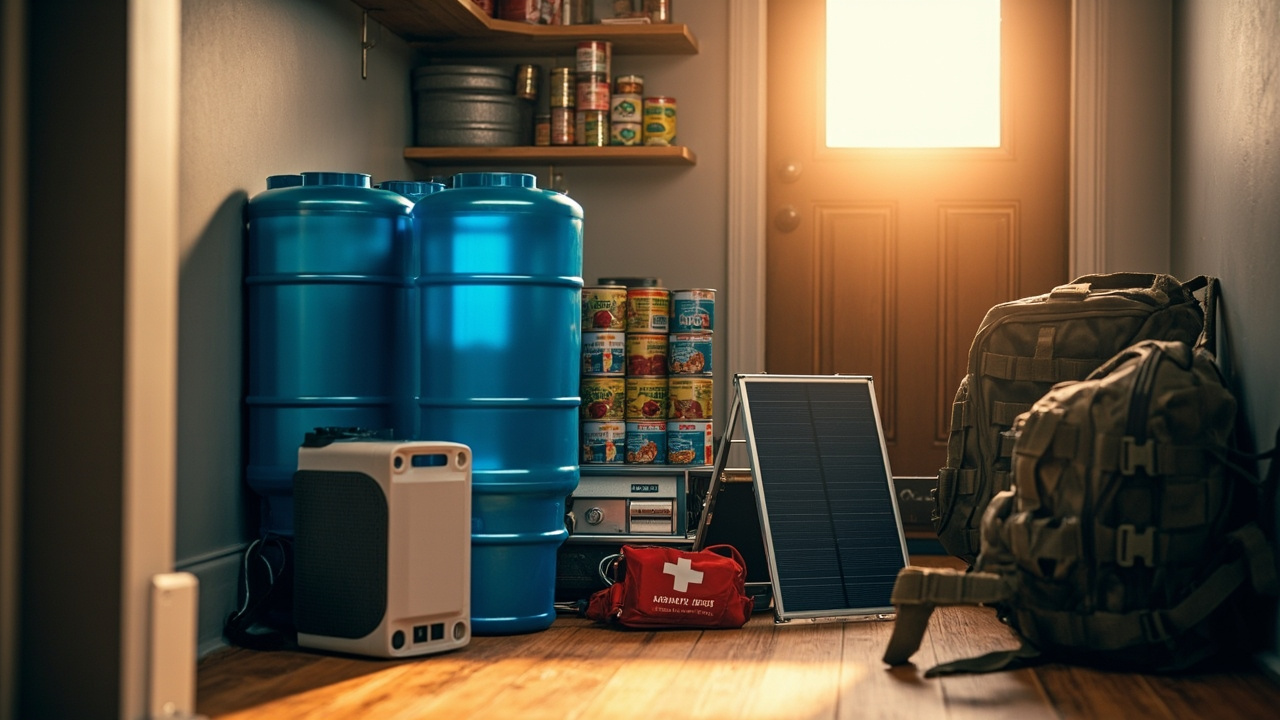
Assemble supplies that support shelter, hydration, nutrition, hygiene, light, communication, and first aid. Keep supplies in easy-to-carry containers. Place kits where they can be reached quickly during evacuation.
Include papers that programs and insurers request. Keep identification, medical summaries, prescriptions, insurance cards, property records, and emergency contacts together. Protect papers in waterproof storage.
Plan for children, older adults, and pets. Include comfort items, mobility aids, dietary needs, and care instructions. Arrange backup caregivers and confirm contact methods. Practice transport and shelter steps with everyone involved.
Keep vehicles ready for official movement orders. Maintain fuel, tires, lights, and emergency equipment. Store printed maps in case navigation services fail. Follow official routes and fuel guidance during evacuations.
Sources referenced
- Ready.gov - Plan Ahead for Disasters (https://www.ready.gov/) informed this article's reporting and source checks.