TL;DR: The household resilience companies and projects to know are those that help you store water and food, keep power and light, stay informed, manage health needs, and practice a family plan, following guidance from Ready.gov and the American Red Cross.
What to watch in household resilience right now
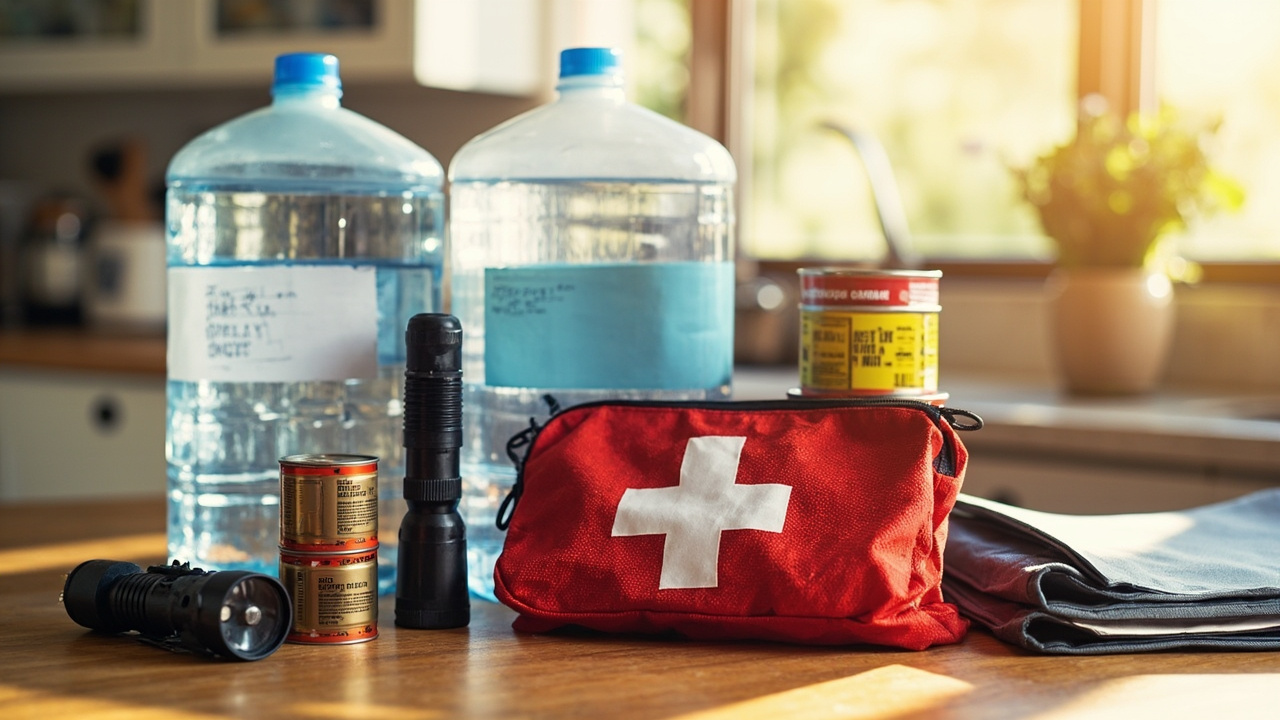
Households looking for help can focus on five types of providers and community projects that align with federal preparedness guidance. According to Ready.gov, households benefit from keeping emergency supplies, making a family emergency plan, and staying informed about local hazards. According to the American Red Cross, households benefit from assembling a survival kit with water, food, first aid, and tools for communication and sanitation.
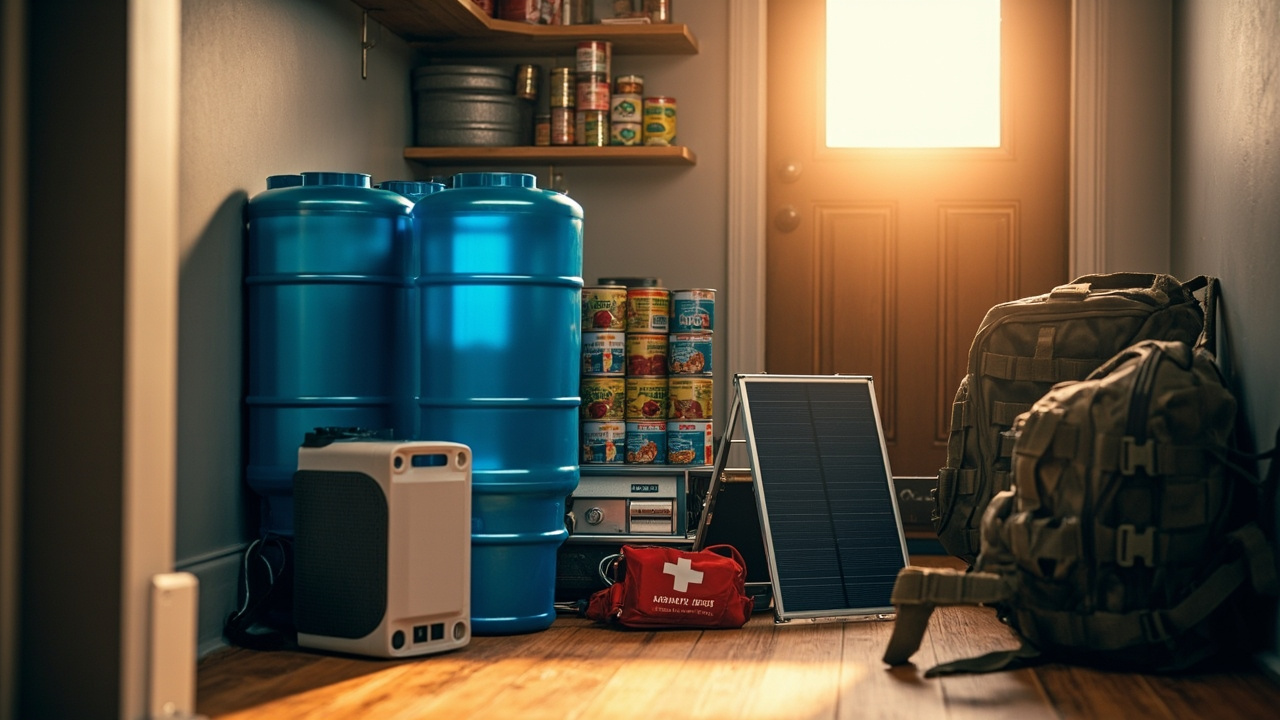
Start with your household needs, then look for companies and local projects that fill gaps in water, food, power, health, and information. Choose simple systems you can operate without utility service. Practice using supplies before an emergency. Replace stored items that expire or wear out. Keep copies of key documents where household members can find them.
Water storage and treatment providers
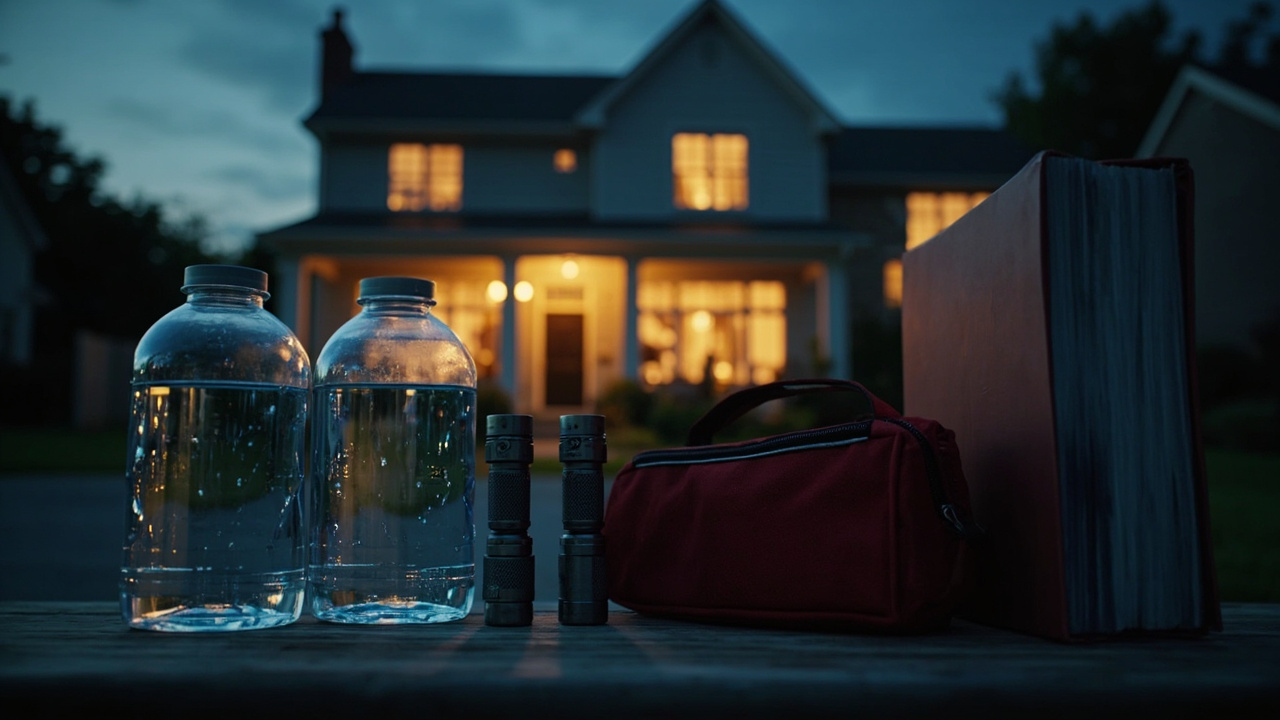
Look for providers that offer clean storage containers intended for drinking water and simple treatment options for use when tap water is unavailable. According to Ready.gov, households should store water and keep emergency supplies ready for use when services are interrupted. According to the American Red Cross, a survival kit should include water for drinking and sanitation.
Store water in clean containers with secure lids. Keep containers in a cool location away from direct sunlight. Label containers for drinking use. Learn how to use your chosen filter or treatment method before an emergency. Practice pouring and carrying water safely. Keep a cup and a simple means to ration water among household members. Check containers for leaks and odors during routine reviews. Replace stored water when it shows signs of contamination. Teach household members where water is stored and how to access it. Include water needs for infants, older adults, and pets in your planning. Keep sanitation supplies near your water storage area.
Shelf-stable food and home pantry projects
Look for food companies and community pantry projects that help households keep meals that require little preparation and no refrigeration. According to Ready.gov, households should keep emergency food supplies as part of a basic emergency kit. According to the American Red Cross, a survival kit should include non-perishable food that household members can eat without cooking equipment.
Choose foods household members already eat and tolerate. Store food in sealed packaging that resists pests and moisture. Keep a manual can opener with canned goods. Rotate stored food into regular meals and replace what you use. Store infant formula and baby food where needed. Store pet food where needed. Account for allergies and dietary needs when selecting items. Keep utensils, plates, and a means to wash hands near food storage. Track expiration dates with a simple list. Review pantry supplies during seasonal home maintenance.
Home power, light, and phone charging options
Look for companies offering battery power stations, solar chargers, hand-crank lights, and efficient flashlights designed for household use. According to Ready.gov, households should prepare for power outages by keeping flashlights, extra batteries, and backup charging options ready. According to the American Red Cross, a survival kit should include a flashlight and a means to charge essential devices and receive alerts.
Keep flashlights where household members can reach them in the dark. Store extra batteries in original packaging. Learn to operate a portable power station before an outage. Charge battery banks on a regular schedule. Keep charging cables for household phones in one place. Use power-saving settings on phones during outages. Test solar chargers in daylight before relying on them. Keep matches and candles only where fire safety guidance permits and store them safely. Teach household members how to turn devices on and off to conserve charge. Keep a written list of emergency contacts in case phones lose power. Unplug sensitive electronics when instructed by local officials during outage events.
Emergency communication and weather alert services
Look for weather radio makers, alert app providers, and neighborhood communication projects that help households receive warnings and check on neighbors. According to Ready.gov, households should stay informed by signing up for local alerts and monitoring weather reports during hazardous conditions. According to the American Red Cross, households should include a battery-powered or hand-crank radio in a survival kit to receive emergency information.
Keep a battery-powered or hand-crank radio with spare batteries. Sign up for local emergency alerts where offered. Keep phones charged when storms are forecast. Write down local emergency numbers and meeting places. Designate an out-of-area contact for family check-ins. Practice sending short status updates by text. Keep a whistle to signal for help if trapped. Teach children how and when to call for help. Review alert settings after changing phones. Test radios and alarms during routine home checks. Share alert information with neighbors who may need assistance.
First aid, medication, and home health support
Look for first aid kit suppliers, pharmacy refill reminder programs, and community health projects that help households manage prescriptions and basic injuries. According to Ready.gov, households should include first aid supplies and prescription medications in emergency planning. According to the American Red Cross, a survival kit should include a first aid kit and a supply of medications needed by household members.
Assemble a first aid kit with bandages, gauze, antiseptic wipes, gloves, and tweezers. Store prescription medications in original labeled containers. Keep a written list of medications, doses, and prescribing providers. Ask a pharmacist about safe storage and refill timing. Store glasses, hearing aid batteries, and mobility aids where they are easy to reach. Include infant and elder care supplies where needed. Learn basic first aid and CPR through recognized training. Practice opening and using first aid supplies. Check first aid items for damage and expiration during routine reviews. Keep medical information where caregivers can find it quickly.
Go-bags, important documents, and evacuation help
Look for makers of sturdy backpacks and document organizers and for local evacuation assistance projects that help households leave quickly when told to do so. According to Ready.gov, households should prepare a go-bag and keep important documents in a safe, accessible place. According to the American Red Cross, households should keep copies of critical documents and cash in a survival kit for use during evacuation.
Pack a change of clothing and sturdy shoes for each household member. Pack blankets or sleeping bags suitable for local weather. Pack hygiene items, including soap, toothbrushes, and feminine supplies where needed. Pack cash in small denominations for use when electronic payments are unavailable. Store copies of identification, insurance policies, and medical records in a waterproof pouch. Store originals in a safe location known to household members. Keep keys, chargers, and contact lists in the same bag. Practice carrying bags to confirm weight and fit. Place bags near an exit for rapid departure. Follow evacuation orders from local officials without delay.
How to choose a company or local project
Compare providers by ease of use, maintenance needs, and fit with guidance from Ready.gov and the American Red Cross. Ask how a product works without grid power or piped water. Ask what routine care it requires. Ask what training is included. Avoid systems that require skills no household member has practiced. Prefer clear instructions printed on the product. Prefer durable materials that withstand storage in garages and closets. Prefer suppliers that explain cleaning, charging, and replacement schedules. Try equipment during a planned home drill. Return or replace items household members cannot operate confidently.
Review community projects for accessibility and reliability. Ask who maintains shared supplies. Ask how neighbors request help. Join neighborhood preparedness groups where available. Attend local training sessions on first aid and emergency response. Volunteer to check on older adults and people with disabilities. Share transportation plans with trusted neighbors. Keep group contact lists current. Update household plans after moves, births, and changes in health needs.
Simple home drill to tie it together
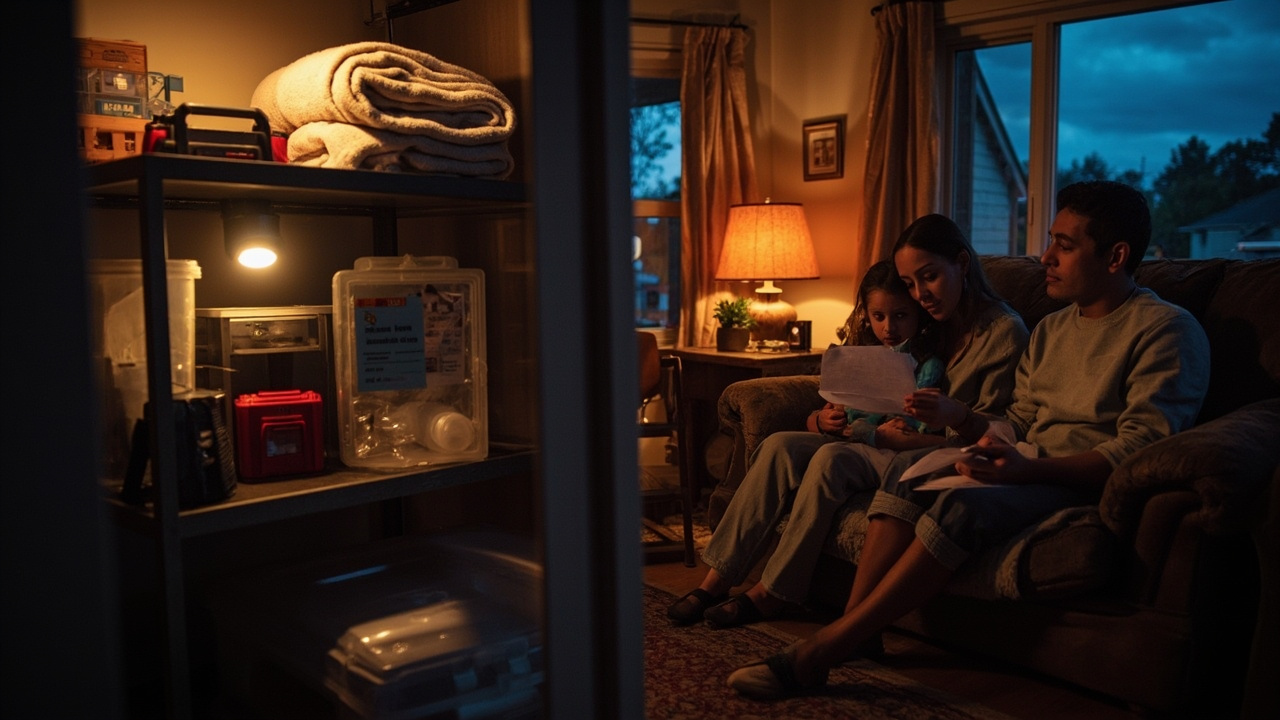
Run a short household drill using only stored supplies. Turn off nonessential breakers for practice where safe to do so. Locate flashlights, radios, and go-bags without using overhead lights. Prepare a meal from stored food without using major appliances. Practice pouring stored water and using sanitation supplies. Test radio reception and review alert settings. Time how long setup takes and note missing items. Restock anything used during practice. Update written plans with lessons learned. Repeat drills as household membership or housing changes. Invite all household members to participate so roles are clear.
Keep learning from trusted public guidance. Review checklists from Ready.gov when updating kits and plans. Review supply lists from the American Red Cross when refreshing go-bags and home storage. Stay in contact with local emergency management for hazard-specific advice. Adjust supplies for winter cold, summer heat, and local flood or wildfire risk. Keep pets in mind during every drill and supply review.
Sources referenced
- Ready.gov - Build A Kit (https://www.ready.gov/kit) informed this article's reporting and source checks.
- American Red Cross - Survival Kit Supplies (https://www.redcross.org/get-help/how-to-prepare-for-emergencies/survival-kit-supplies.html) informed this article's reporting and source checks.