TL;DR: Household resilience matters for operators and decision makers because a prepared home stays safer, calmer, and more self-sufficient when utilities, roads, and services are disrupted.
Why home readiness is an operational issue
Household resilience is not only a personal topic. For operators and decision makers, it is an operational topic. When a storm, outage, wildfire smoke event, flood, or winter disruption affects a community, workers still need to sleep, eat, stay warm or cool, care for children and older relatives, and travel safely. If homes are unprepared, workplaces feel it quickly through absences, distraction, delayed response, and extra demand for help.
That is why planning guidance from Ready.gov frames preparedness around the household as the first unit of response. According to Ready.gov, households that plan together, store basic supplies, and stay informed can reduce pressure on emergency services during the first hours of an event. The American Red Cross carries the same household-centered message in its preparedness guidance, describing survival supplies and family planning as the foundation that lets neighborhoods recover faster.
For a decision maker, the takeaway is direct. Resilience starts before any incident. A team, facility, school, clinic, utility crew, or small business depends on people whose homes either support them or add stress during a crisis.
What household resilience means in practice
A household that can shelter safely
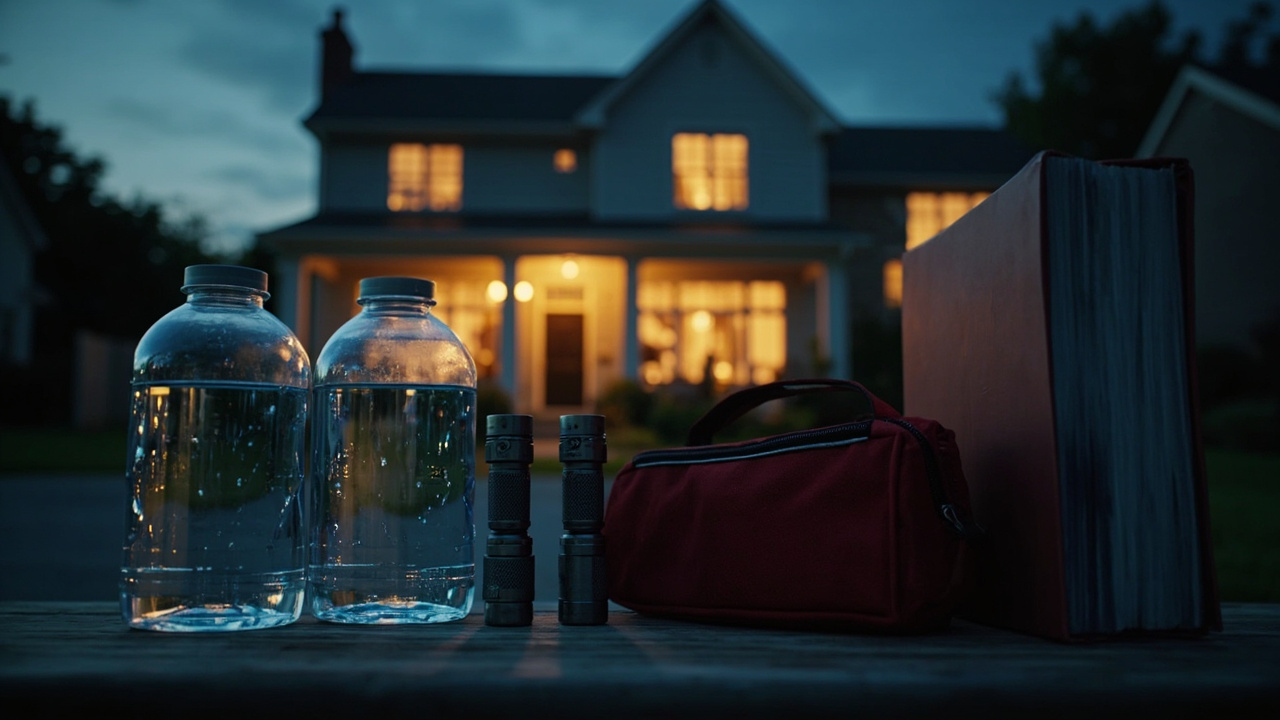
A resilient household can shelter safely for a period without normal services. That means drinking water on hand, food that does not need complex cooking, light without grid power, warmth or cooling without usual systems, sanitation options when plumbing is limited, and basic first aid supplies for minor injuries.
General safety guidance from Ready.gov encourages families to keep water, food, flashlights, batteries, a battery-powered or hand-crank radio, first aid items, medications, and copies of important documents in an accessible place. According to the American Red Cross, a survival kit should also reflect the people and pets in the home, including infant needs, medical needs, and pet food and restraints.
Operators should read this as capacity planning. A household that can shelter safely does not need to travel on dangerous roads, does not need to seek shelter for a preventable reason, and does not need to call for help that could go to a higher-priority case.
A household that can communicate and decide
Disruptions create decisions. Should we stay or go. Where do we meet. Who picks up the children. How do we contact each other if phones fail. How do we get trusted alerts.
Prepared households answer those questions in advance. They choose an out-of-area contact. They pick two meeting places, one near home and one outside the neighborhood. They save emergency numbers on paper as well as in phones. They know how to receive local alerts and weather warnings.
For operators, communication planning at home mirrors communication planning at work. If staff already practice check-ins, contact trees, and backup channels at home, they adapt faster to workplace accountability checks during an event.
A household that can evacuate or relocate
Some events require leaving. A resilient household can leave quickly without panic packing. Bags are partly packed. Fuel levels are kept adequate. Important papers are together. Medications, glasses, chargers, cash in small bills, clothing, and comfort items for children are easy to gather. Pets have carriers, leashes, food, and vaccination records ready.
Decision makers benefit when evacuation thinking is normal. Staff who have practiced a home evacuation understand staged departures, route alternatives, and what to do when a primary route is closed. That mindset transfers to facility evacuation, service restoration sequencing, and customer communication.
Why operators should care about the first hours
Emergency guidance often emphasizes the first period after a disruption because help may be delayed. Roads can be blocked. Call centers can be overwhelmed. Power restoration follows priority circuits. Water systems may need testing before use.
According to Ready.gov, individual and household preparation helps communities absorb that early gap without cascading harm. According to the American Red Cross, having supplies and a plan lets families act early rather than wait for door-to-door assistance.
For operations, the first hours determine whether a small disruption becomes a staffing crisis. Consider a night-shift utility crew, a morning clinic schedule, a school bus route, or a warehouse opening. If three households lose heat, light, and phone charging at once, three workers face the same personal emergency at the same time they are needed at work. Household stocks of blankets, flashlights, charged battery banks, shelf-stable food, and water reduce those competing demands.
Decision makers can treat home readiness as business continuity at the source. It is far less costly to encourage preparation than to absorb unplanned absences, overtime, turnover, or safety incidents caused by exhausted staff improvising at home.
The decision maker’s role without overstepping
Operators and managers should not inspect employees’ pantries or mandate personal purchases. That approach harms trust. The effective role is enablement, information, and modeling.
Enablement means removing barriers. Provide printed checklists. Offer time during safety meetings to discuss home plans. Share links to Ready.gov and to guidance from the American Red Cross at https://www.redcross.org/get-help/how-to-prepare-for-emergencies/survival-kit-supplies.html and https://www.ready.gov/kit. Invite local emergency management to brief staff on local hazards. Keep the tone practical, not fearful.
Information means making local hazards clear. A generic kit helps, but local risk shapes priorities. Flood-prone neighborhoods need document protection, knowledge of high ground, and awareness of when not to drive through water. Wildfire-adjacent areas need go-bags, air filtration awareness, and vehicle readiness. Cold climates need safe heating backup, pipe protection, and winter car supplies. Hot climates need cooling plans, shade, hydration awareness, and checks on older neighbors.
Modeling means leaders prepare visibly. When supervisors talk simply about their own family meeting place, their own water storage, or their own backup lighting, preparation becomes normal. Staff are more likely to act when leaders treat home readiness as standard practice rather than extra credit.
Building a household plan that operators can support
Start with people, not products
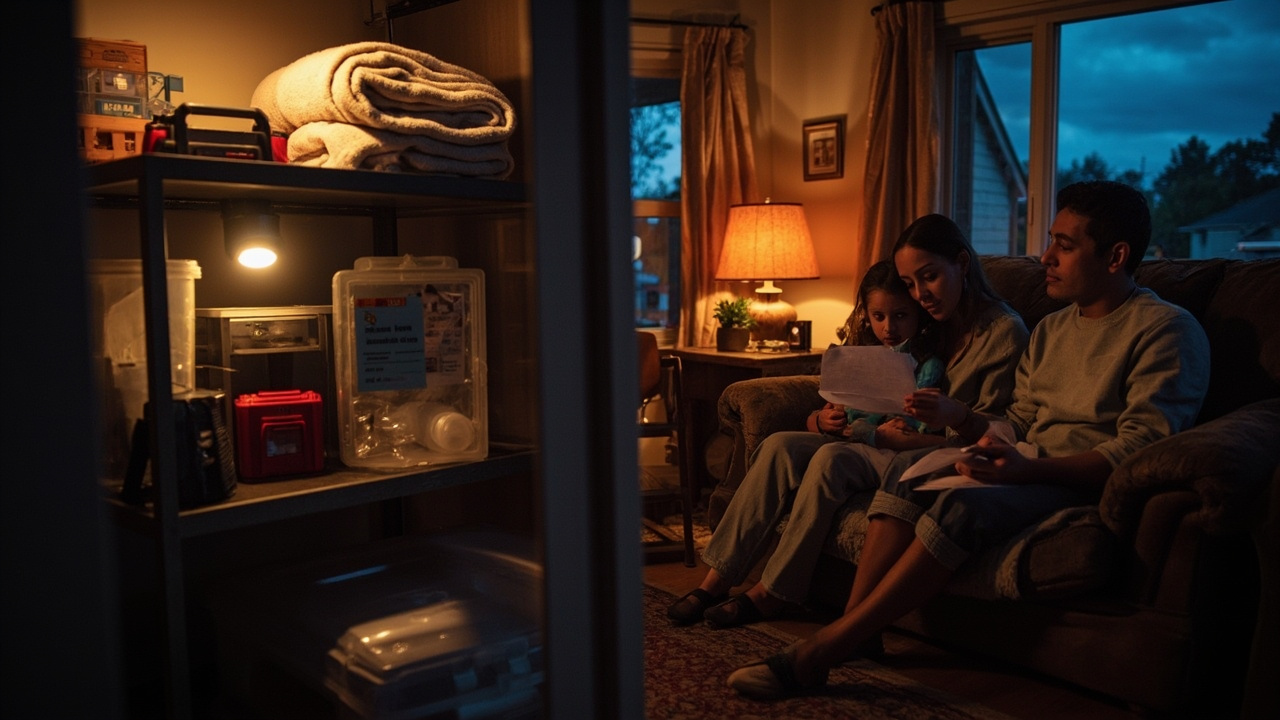
A strong plan starts with who lives in the home and what they need. List household members, including children, older adults, guests, roommates, and pets. Note mobility needs, medical devices that need power, refrigerated medications, allergies, language needs, and transportation limits.
Workplaces can support this step by providing a one-page family plan worksheet and time to complete it. No collection of personal details is needed. The goal is simply that each worker has thought through care responsibilities before an emergency forces quick choices.
Map shelter, power, water, and food
Shelter planning asks where the household will stay in different scenarios. At home without power. At home without heat. With a relative. At a public shelter. In a vehicle only as a last option and with ventilation and safety awareness.
Power planning asks what must stay on. Medical devices come first. Then communication, light, and food safety. General preparedness guidance encourages flashlights over candles where possible to reduce fire risk, plus spare batteries and portable chargers kept charged.
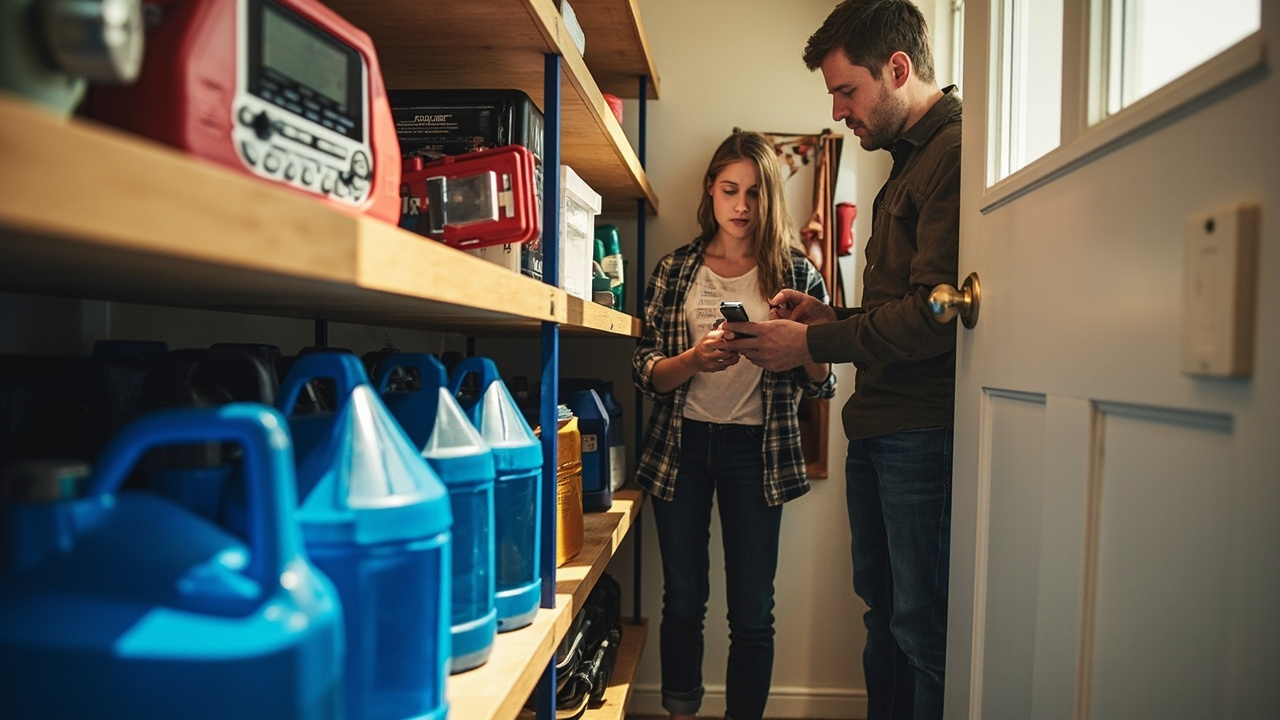
Water and food planning asks what the household can use without cooking or refrigeration. Store drinking water in clean containers. Keep manual can openers with canned goods. Keep foods the family will actually eat. Rotate stocks so nothing expires unused. Include infant formula, pet food, and foods for medical diets where relevant.
Operators can reinforce rotation and maintenance by tying it to familiar workplace routines. Just as facilities test generators and check expiry dates on first aid supplies, households can check batteries, test flashlights, review medications, and refresh stored water on a seasonal schedule.
Protect documents and money
Household resilience includes paperwork. Keep identification, insurance policies, medical cards, prescriptions, property leases or deeds, bank information, and emergency contacts together in a waterproof container. Keep paper copies as well as secure digital copies where appropriate. Keep some cash in small bills because card readers and cash machines can fail during outages.
For decision makers, document readiness reduces recovery delays. Staff who can contact insurers, prove identity, refill prescriptions, and access accounts return to normal duties faster after floods, fires, or storms.
Plan for children, older adults, and pets
Children need clear, calm instructions. Practice how to call for help. Practice where to meet. Pack comfort items that reduce stress. Keep school contact information current.
Older adults may need extra help with mobility, heating and cooling, medication schedules, and transportation. Build a check-in circle with neighbors or relatives so no one waits alone for help.
Pets are family members in planning. Keep carriers accessible. Keep leashes, food, water, waste bags, medications, and vaccination records together. Know which shelters, hotels, or relatives accept animals. Never leave planning for pets until departure time.
Workplace leaders who acknowledge caregiving openly build stronger continuity. When schedules and leave policies account for school closures and elder care during disruptions, staff can plan honestly instead of hiding constraints.
From household readiness to community capacity
Resilient households create resilient blocks. Neighbors who know each other share tools, check on vulnerable residents, clear small debris, and pass along trusted alerts. That informal network is often faster than formal response in the first hours.
Operators can strengthen that layer without heavy cost. Sponsor neighborhood map exercises. Share contact-tree templates. Encourage staff to learn basic first aid and to keep a first aid kit at home and in the vehicle. Support volunteer emergency response training where available. Recognize employees who serve as community preparedness volunteers.
According to Ready.gov at https://www.ready.gov/kit, building a kit and making a plan are presented as community actions, not only private actions. According to the American Red Cross, prepared neighbors reduce suffering because trained, supplied households can help others instead of needing rescue themselves.
For decision makers, that multiplier matters. Every household that can manage drinking water, light, food, warmth, basic first aid, and communication is one fewer household drawing on limited crews, shelters, and phone lines.
Common failure points operators can help prevent
One failure point is storage without maintenance. Supplies expire. Batteries corrode. Stored water develops taste or container issues. Chargers go missing. Plans age as children grow, relatives move, phone numbers change, and medical needs shift. The fix is seasonal review. Tie home checks to clock changes, school terms, or workplace safety weeks.
Another failure point is single-point dependence. One flashlight. One phone charger. One route out. One contact method. Resilience improves with redundancy. Two ways to get light. Two ways to get alerts. Two meeting places. Two evacuation routes. Two ways to charge a phone.
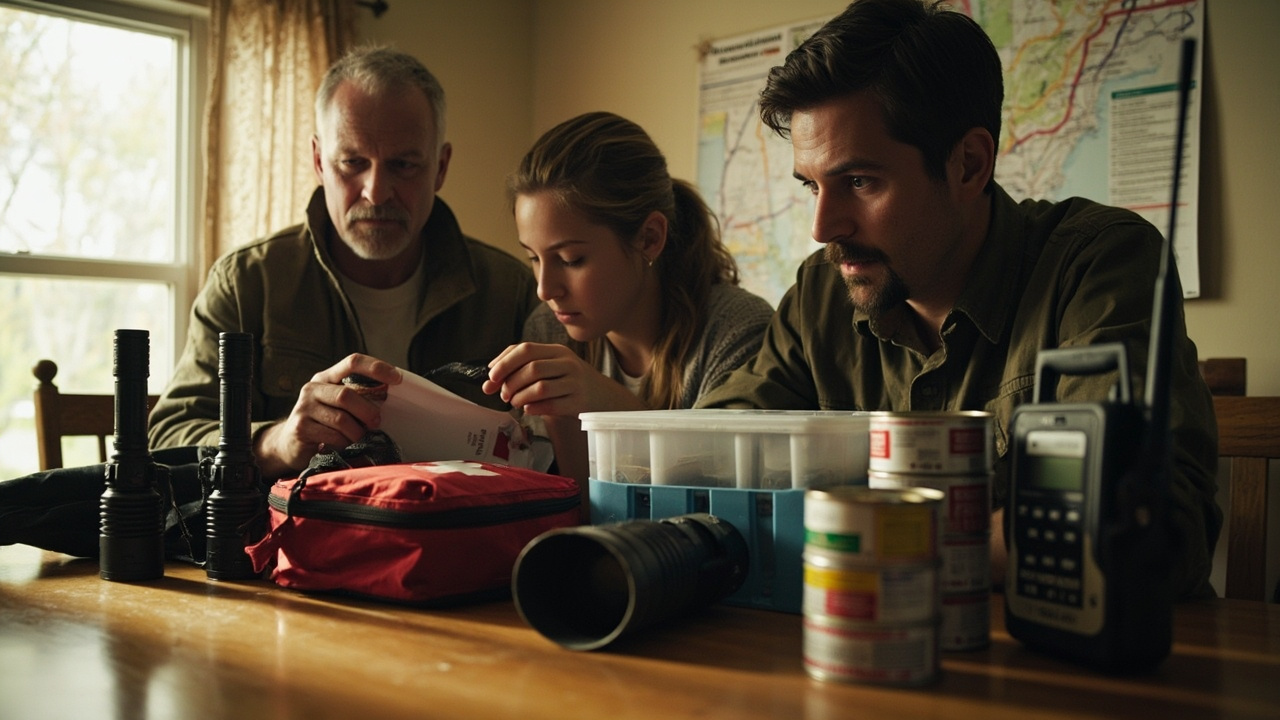
A third failure point is information fragility. Many households rely only on mobile phones for alerts, contacts, and documents. Phones die, towers fail, and apps require power and signal. Paper backups solve much of this. A printed contact list, a printed map with marked routes and shelters, and a battery-powered or hand-crank radio preserve awareness when screens go dark.
A fourth failure point is assuming help arrives quickly. Even strong public systems triage. Households that expect delays act earlier, leave earlier when told to leave, and shelter more comfortably while waiting. Operators can normalize that expectation through honest briefings about restoration priorities and shelter capacity.
A practical path for the next thirty days
Decision makers do not need a large program to start. A simple thirty-day path works.
In week one, share trusted sources. Point every household to Ready.gov and to the American Red Cross preparedness pages. Provide a short checklist for a family emergency plan and a basic supply list. Keep language plain and inclusive.
In week two, focus on communication. Ask every team member to choose an out-of-area contact, pick two meeting places, and write down critical numbers on paper. Practice a workplace accountability check so the same habit exists at home.
In week three, focus on supplies. Encourage households to gather water, shelf-stable food, lighting, batteries, first aid items, medications, hygiene supplies, and pet needs. Suggest building gradually rather than buying everything at once. Emphasize rotation and safe storage.
In week four, focus on practice. Walk through a shelter-in-place evening without grid power. Test flashlights and radios. Locate documents. Confirm evacuation routes and pet plans. Review needs for children and older relatives. Update the plan where gaps appear.
None of this requires specialized gear. It requires attention, repetition, and leadership support.
The bottom line for Preppinglines readers
Household resilience is operational resilience. Homes that can shelter, communicate, and relocate without panic protect health, preserve staffing, and speed community recovery.
Operators and decision makers who treat home readiness as part of continuity planning will see steadier teams, clearer decisions, and fewer preventable emergencies. Start with people, cover water, food, light, warmth, communication, documents, and caregiving needs, and use trusted guidance from Ready.gov and the American Red Cross to keep the effort grounded. When households are ready, organizations can keep serving.