TL;DR: Skeptics are right that household resilience should be simple, affordable, and focused on likely disruptions, and wrong that planning is only for extreme scenarios.
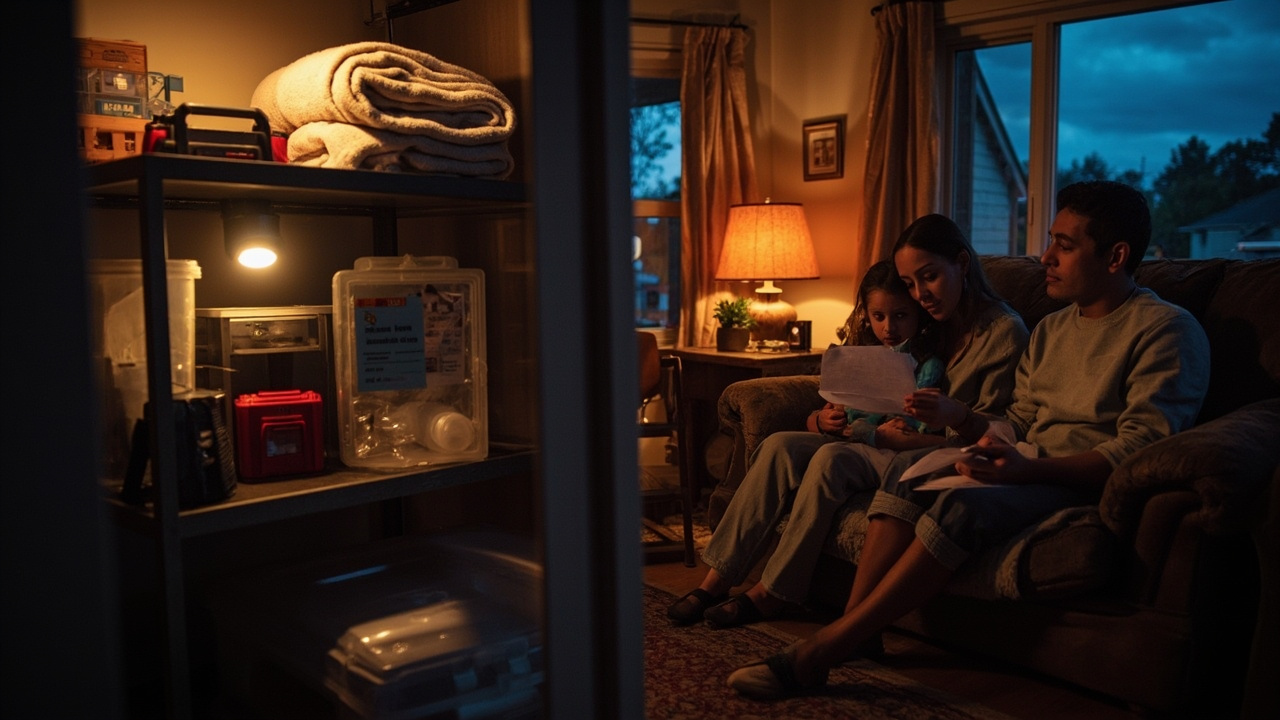
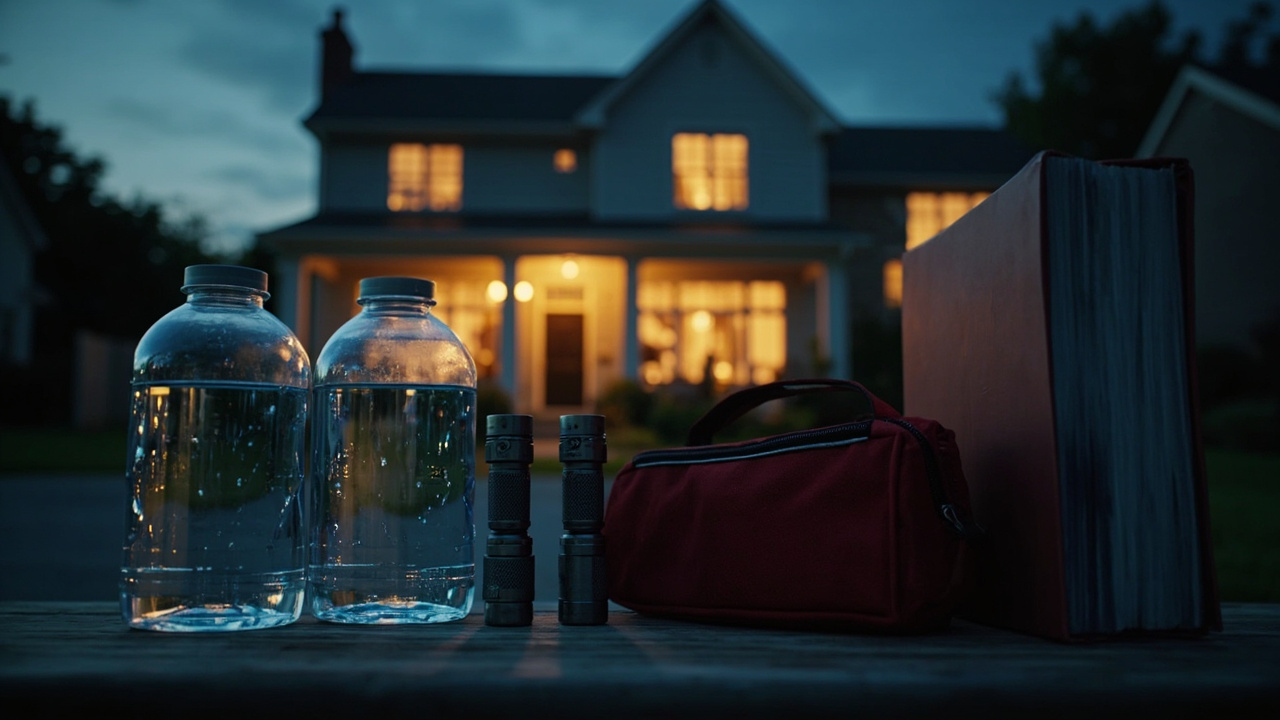
Skeptics are right to reject complicated stockpiles, and wrong to skip basic readiness at home. Store drinking water in clean containers for household use. Store nonperishable food that household members will eat during a disruption. Keep a manual can opener with stored food. Keep a flashlight with extra batteries where household members can find it in the dark. Keep a battery-powered or hand-crank radio for receiving local instructions. Keep a first aid kit stocked and accessible to adults in the home. Keep prescription medications organized and refilled on schedule. Keep extra supplies for infants, older adults, and pets in the household. Keep copies of identification and insurance information in a waterproof container. Keep cash in small denominations for use when electronic payments are unavailable. Review supplies seasonally and replace expired items. Practice using supplies before a disruption occurs. According to Ready.gov — Build a Kit, these basic categories form the core of household readiness.
Skeptics Are Right: Start With Likely Disruptions
Prepare for power outages that affect lighting, refrigeration, and communications. Prepare for winter storms that limit travel and delay deliveries. Prepare for severe thunderstorms that damage trees and power lines. Prepare for flooding that blocks roads and disrupts utilities. Prepare for heat waves that strain health and cooling systems. Prepare for boil-water advisories that limit safe tap water use. Prepare for short evacuations ordered by local officials. Prepare for shelter-in-place guidance issued during hazardous conditions. Prepare for school closures that change childcare needs. Prepare for work disruptions that change transportation needs. Talk with household members about where to meet if separated. Write down emergency contact numbers on paper. Identify two ways to leave the neighborhood. Identify where to shelter inside the home during severe weather. Learn how to shut off water to the home. Learn how to shut off gas only if instructed by local officials and trained to do so safely. Learn how to reset breakers safely after an outage. Keep walkways clear for safe movement during an outage. Keep sturdy shoes near beds for moving safely after shaking or debris. Keep phone chargers and backup batteries charged. Save local emergency numbers in phones and on paper. Follow instructions from local officials during every event.
Skeptics Are Right: Simple Systems Beat Complex Stockpiles
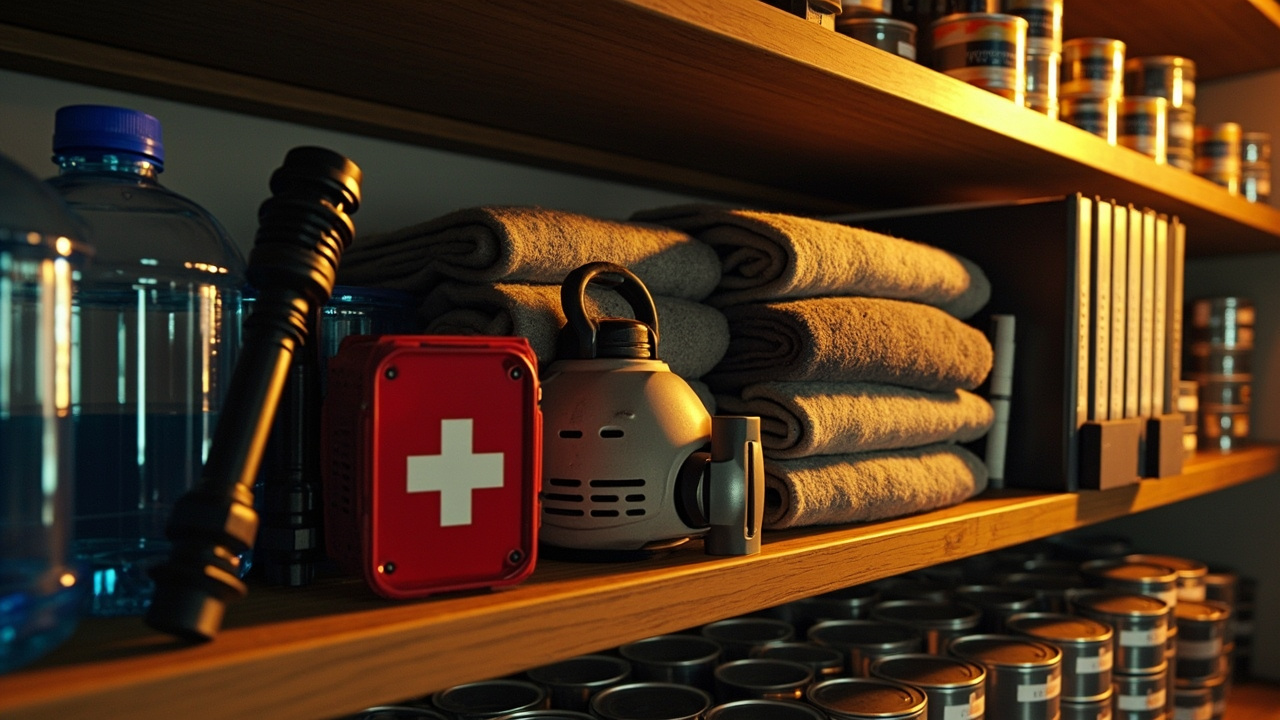
Choose foods that require little preparation and no refrigeration. Rotate stored food into regular meals to keep supplies fresh. Store water separately from chemicals and fuels. Label stored containers with contents for easy identification. Use sturdy bags or bins to organize supplies by use. Keep everyday supplies where household members already look for them. Keep backup supplies in a second location inside the home. Keep a smaller kit in the vehicle for travel disruptions. Keep work and school kits limited to essentials for reunification. Keep pet food, leashes, and carriers ready for quick departure. Keep baby formula, diapers, and wipes ready where caregivers can reach them. Keep mobility aids, glasses, and hearing aid batteries with personal kits. Keep extra keys for home and vehicle with a trusted contact. Keep a written inventory of stored supplies. Check batteries, lights, and radios during routine home maintenance. Replace stored water and food before expiration. Donate or use items nearing expiration instead of discarding them when safe to do so. Teach every adult in the home where supplies are stored. Teach children how to call for help and who to contact. According to American Red Cross — Survival Kit Supplies, organizing essentials by personal needs keeps kits usable.
Skeptics Are Wrong: Preparedness Is Not Only For Remote Scenarios
Use household readiness for everyday utility failures. Use stored lighting during nighttime outages. Use stored water during plumbing repairs. Use stored food when stores close early during storms. Use backup chargers during long commutes and delays. Use first aid supplies for minor household injuries. Use paper contact lists when phones lose charge. Use battery radios when mobile networks are congested. Use waterproof document storage during moves and travel. Use family meeting places during large public events. Use evacuation bags during apartment maintenance relocations. Use pet carriers for veterinary visits as well as evacuations. Use extra medications planning for travel delays. Use cash reserves during payment system outages. Use extra fuel planning only according to local safety guidance. Use community warning systems for neighborhood hazards. Sign up for local alerts where offered by local officials. Monitor local weather forecasts through official channels. Share preparedness tasks among household members. Include neighbors in planning for shared stairways and driveways. Offer help to neighbors who need assistance with mobility. Accept help from neighbors when household resources are limited. Coordinate with building managers about alarms and exits. Coordinate with schools about pickup procedures. Coordinate with employers about remote work procedures during storms.
Skeptics Are Right: Cost And Space Require Priorities
Begin with water storage before adding comfort items. Add food storage gradually during regular shopping. Add lighting and batteries before specialized gear. Add first aid supplies before bulk purchases. Add important documents organization before extra equipment. Use items already owned before buying new supplies. Repurpose sturdy backpacks and duffel bags for evacuation bags. Repurpose sealed containers for waterproof storage. Choose multipurpose tools that household members know how to use. Avoid gear that requires training household members do not have. Avoid perishable foods that spoil quickly without refrigeration. Avoid storing flammable materials inside living spaces. Follow local fire guidance for safe storage of fuels and batteries. Keep heavy items low to prevent injury during shaking. Secure shelves to walls where shaking is a concern. Keep hallways and exits free of stored boxes. Store supplies away from heat sources and moisture. Measure available closet and pantry space before expanding supplies. Prioritize supplies for household members with medical needs. Discuss spending priorities as a household before purchasing. Track expiration dates to avoid waste. Replace only what the household uses and rotates.
Skeptics Are Wrong: Government Help Does Not Remove Household Tasks
Keep enough supplies to remain comfortable while waiting for assistance. Keep enough water for drinking and basic hygiene during service interruptions. Keep enough food for household members and visiting dependents. Keep sanitation supplies including soap, disinfectant, and trash bags. Keep paper towels and toilet paper in reserve for delivery delays. Keep feminine hygiene supplies and diapers in reserve. Keep blankets and warm clothing for heating interruptions. Keep cool cloths and shade options for cooling interruptions. Keep rain gear and sturdy outerwear for evacuation on foot. Keep maps on paper for areas with poor signal. Keep a whistle to signal for help if trapped. Keep dust masks for use during debris cleanup according to package directions. Keep plastic sheeting and tape for temporary sheltering repairs. Keep a wrench or pliers for household utility needs where appropriate. Keep matches in waterproof containers stored safely away from children. Keep candles only if local guidance allows and never leave them unattended. Prefer battery lights over open flames indoors. Air out rooms safely after using alternative cooking methods outdoors. Cook outdoors only in well-ventilated areas away from windows. Never use generators indoors or in attached garages. Place generators outdoors far from doors and windows according to manufacturer safety directions and local guidance. Allow time for officials to restore services after widespread damage. Check on household members regularly during extended outages. Check on pets regularly during heat, cold, and poor air conditions.
Skeptics Are Right: Plans Must Fit Real Households
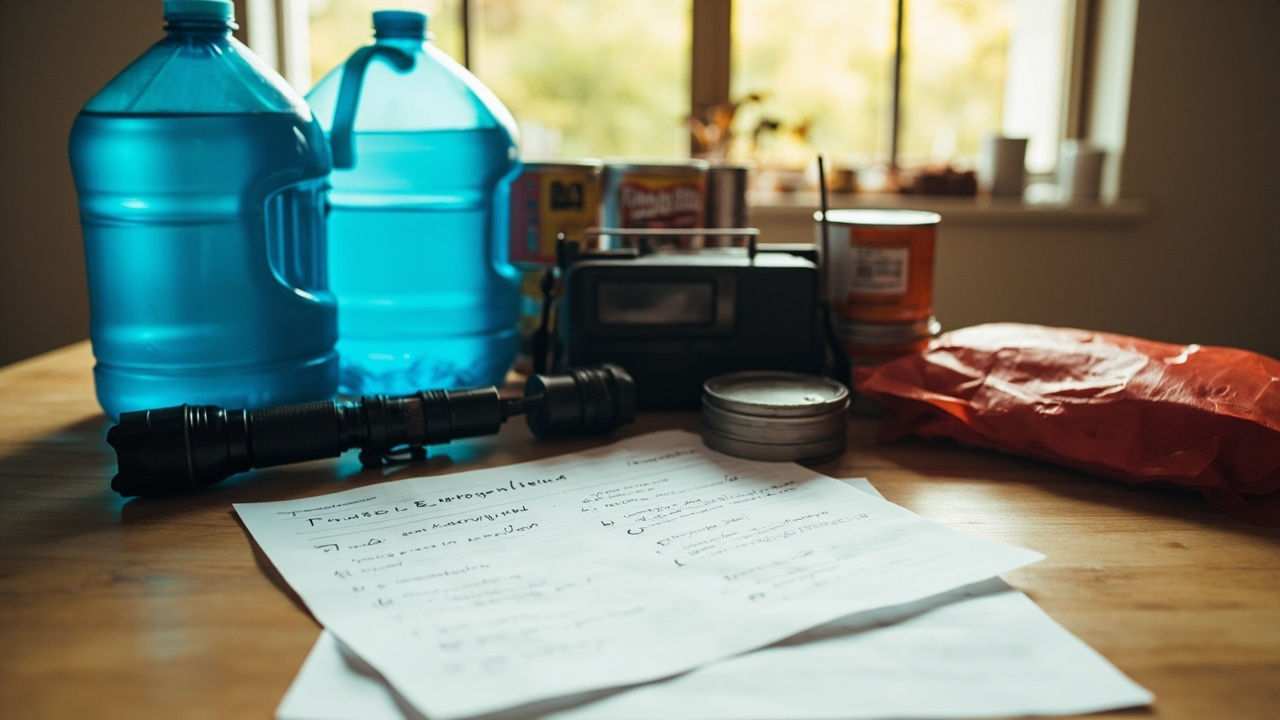
Write the household plan on one page for easy use. List household member names and contact numbers on the plan. List out-of-town contact information for message relay. List medical needs and medication schedules for caregivers. List pet needs and veterinarian contact information. List school, work, and childcare addresses on the plan. List meeting places inside and outside the neighborhood. List evacuation routes that avoid flood-prone roads where known locally. List transportation options for members without vehicles. List storage locations for water, food, and documents. Post the plan where adults can find it quickly. Photograph the plan for phones while keeping paper copies. Update the plan when phone numbers change. Update the plan when household members change. Update the plan when schools or jobs change. Update the plan when pets join the household. Update the plan when medical needs change. Practice the plan during calm weekends. Time how long packing evacuation bags takes. Time how long securing the home takes. Time how long reaching meeting places takes. Adjust the plan after each practice. Share updated plans with all household members. Share relevant parts of the plan with trusted contacts.
Skeptics Are Wrong: Small Actions Build Resilience Quickly
Inspect smoke alarms during routine home cleaning. Test carbon monoxide alarms according to manufacturer directions. Replace alarm batteries on schedule. Keep fire extinguishers where adults can reach them and learn proper use through local training. Keep hallways lit with nightlights for safe movement. Keep stairways free of clutter. Keep cords secured to prevent falls during hurried evacuations. Anchor heavy furniture that could tip. Secure mirrors and frames above beds. Store breakable items away from sleeping areas. Learn basic first aid through recognized community training. Learn how to control bleeding with direct pressure. Learn how to treat minor burns with cool water. Learn how to recognize signs of heat illness and cold exposure. Learn how to help someone who is choking through recognized training. Learn how to use prescribed emergency medications according to medical directions. Keep first aid instructions inside the first aid kit. Restock first aid supplies after every use. Dispose of expired medications through approved take-back programs. Keep hand sanitizer and soap available for hygiene. Keep drinking cups and utensils clean and ready for use. Keep trash contained to prevent pests during collection delays. Document home conditions with photographs for insurance use. Store insurance contact information with household documents. Review insurance coverage with providers during calm periods. Ask insurers what documentation helps claims. Keep receipts for major purchases with documents where practical. Back up important files in secure locations according to provider guidance.
For more household planning ideas on Preppinglines, see What Changed in Household Resilience This Week: Plan Together (/what-changed-in-household-resilience-this-week-plan-together) and Most Useful Emergency Preparedness Tools for Households Now (/most-useful-emergency-preparedness-household-tools).